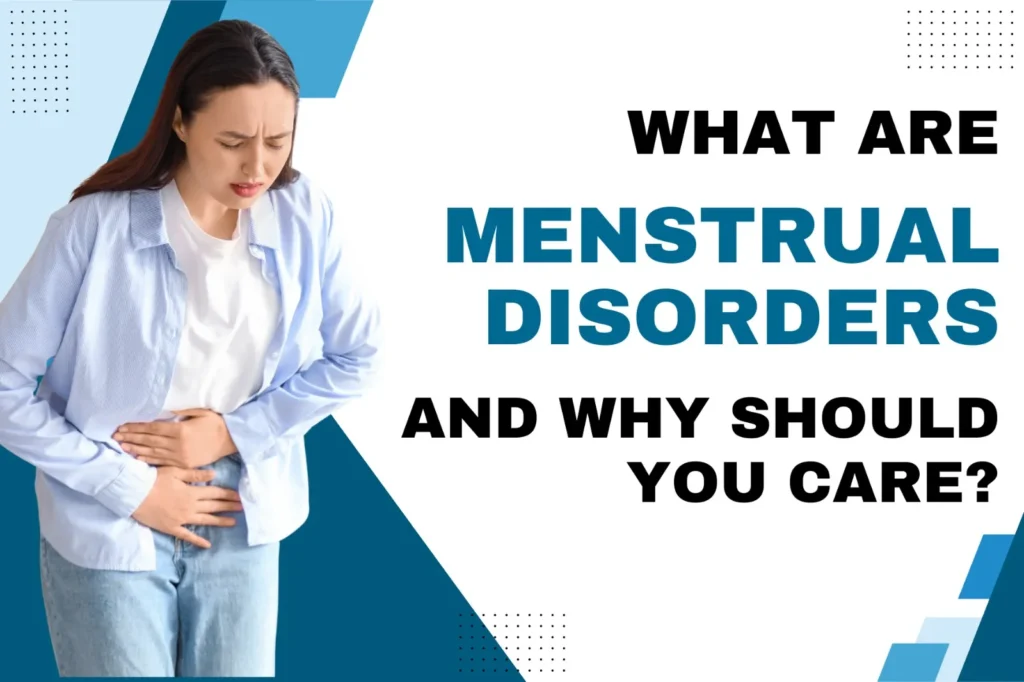
What Are Menstrual Disorders and Why Should You Care?

Home / Blog / What Are Menstrual Disorders and Why Should You Care?

What Are Menstrual Disorders and Why Should You Care?

By Admin

|     25.03.2024

Hello Reader!

Welcome to the blog page of Dr. Saima Javed, the best lady gynecologist in Kolkata. 

Menstruation is a natural part of every woman’s reproductive life, but for many, it doesn’t always happen smoothly. Irregular cycles, excessive bleeding, painful cramps, or missed periods are more than just inconveniences — they can be signs of underlying health problems. These are collectively known as Menstrual Disorders. As the best lady gynecologist in Kolkata, I believe that understanding these disorders is the first step towards maintaining good reproductive health and overall well-being.

What Are Menstrual Disorders?

A Menstrual Disorder refers to any abnormality in a woman’s menstrual cycle. This may involve changes in frequency, duration, flow, or the experience of pain. Some women experience mild symptoms occasionally, while others face chronic and severe issues that affect daily life, fertility, and emotional health.

Common types of Menstrual Disorders include:

  1. Amenorrhea – Absence of menstrual periods for more than three months.
  2. Oligomenorrhea – Infrequent menstrual cycles, usually more than 35 days apart.
  3. Menorrhagia – Excessive or prolonged menstrual bleeding.
  4. Dysmenorrhea – Severe menstrual cramps and pain.
  5. Premenstrual Syndrome (PMS) – Emotional and physical symptoms before menstruation.
  6. Premenstrual Dysphoric Disorder (PMDD) – A more severe form of PMS affecting mood and mental health.

These conditions may not always seem alarming, but untreated Menstrual Disorders can lead to complications such as anemia, hormonal imbalance, infertility, and other reproductive issues.
best lady gynecologist in Kolkata, normal delivery, adolescent health 
, Treatment for infertility, Prenatal care checkups, High Risk Pregnancy Care
Contraception and Birth Control
, Abnormal Menstruation, PCOS treatment for pregnancy
PCOS treatment for unmarried, Staying Healthy After Menopause, Laparoscopic, Hysterectomy , Common Laparoscopic Procedures in Females, Laparoscopic Myomectomy, Operative hysteroscopy for polyps and fibroids , Menstrual Disorders

What Causes Menstrual Disorders?

There are several reasons why a woman may experience a Menstrual Disorder. Some of the most common causes include:

  • Hormonal Imbalance: Fluctuations in estrogen and progesterone levels can affect cycle regularity.
  • Polycystic Ovary Syndrome (PCOS): A major cause of irregular periods and infertility in women.
  • Thyroid Problems: Both hyperthyroidism and hypothyroidism can disrupt menstrual cycles.
  • Stress and Lifestyle Factors: Poor diet, lack of sleep, or excessive stress can lead to cycle irregularities.
  • Uterine Fibroids or Endometriosis: Structural or tissue-related problems can cause heavy bleeding and severe pain.
  • Certain Medications: Birth control pills, anticoagulants, or hormonal treatments can influence menstrual flow.

As the best lady gynecologist in Kolkata, I always advise women not to ignore persistent changes in their menstrual cycle, as they could indicate deeper health concerns.
best lady gynecologist in Kolkata, normal delivery, adolescent health 
, Treatment for infertility, Prenatal care checkups, High Risk Pregnancy Care
Contraception and Birth Control
, Abnormal Menstruation, PCOS treatment for pregnancy
PCOS treatment for unmarried, Staying Healthy After Menopause, Laparoscopic, Hysterectomy , Common Laparoscopic Procedures in Females, Laparoscopic Myomectomy, Operative hysteroscopy for polyps and fibroids , Menstrual Disorders

Why You Should Care About Menstrual Disorders

Many women believe that period problems are “normal” and continue to live with discomfort. However, Menstrual Disorders can be early indicators of underlying conditions that need timely attention.

Here’s why you should never ignore them:

  1. They Can Signal Reproductive Health Issues – Disorders like PCOS, fibroids, or hormonal imbalance can affect fertility and require medical management.
  2. They Affect Daily Life – Heavy bleeding, cramps, and fatigue can reduce energy levels and productivity.
  3. They Impact Emotional Well-being – PMS, PMDD, and hormonal imbalances can cause mood swings, anxiety, and depression.
  4. They May Lead to Anemia – Prolonged heavy bleeding can lower hemoglobin levels, causing weakness and dizziness.
  5. They Are Treatable – With proper diagnosis and care from the best lady gynecologist in Kolkata, most menstrual problems can be managed or completely resolved.

Also Read: Is Laparoscopy Mandatory for All with Infertility?
best lady gynecologist in Kolkata, normal delivery, adolescent health 
, Treatment for infertility, Prenatal care checkups, High Risk Pregnancy Care
Contraception and Birth Control
, Abnormal Menstruation, PCOS treatment for pregnancy
PCOS treatment for unmarried, Staying Healthy After Menopause, Laparoscopic, Hysterectomy , Common Laparoscopic Procedures in Females, Laparoscopic Myomectomy, Operative hysteroscopy for polyps and fibroids , Menstrual Disorders

How Are Menstrual Disorders Diagnosed and Treated?

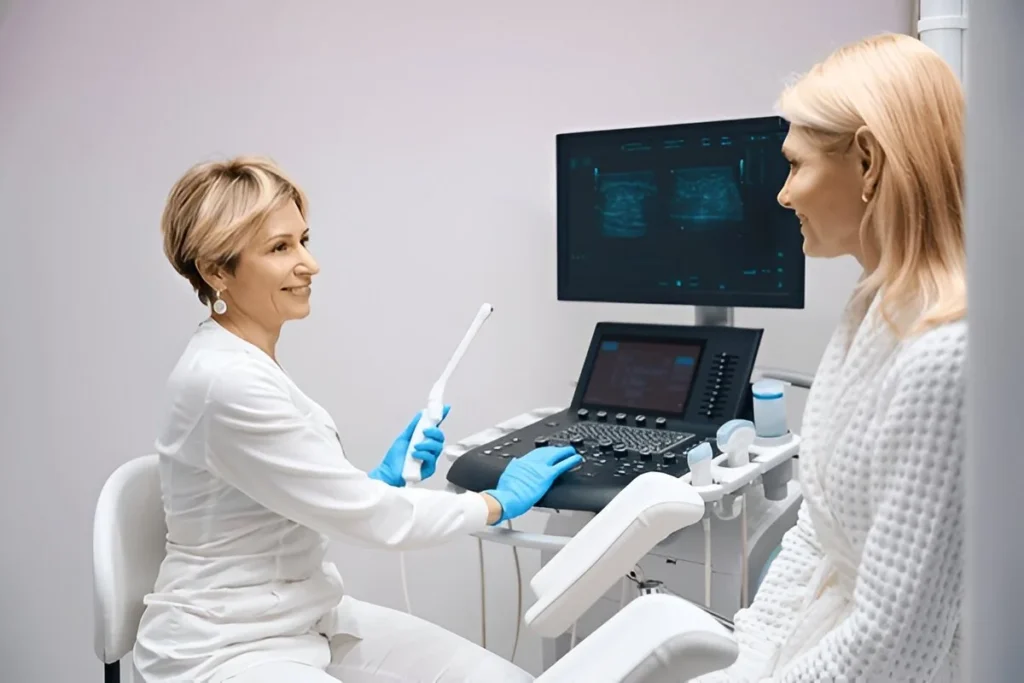
Diagnosis begins with a detailed medical history, physical examination, and investigations like:

  • Blood tests for hormones and thyroid function
  • Pelvic ultrasound to detect structural abnormalities
  • Pap smear or endometrial biopsy if needed

Treatment depends on the underlying cause and may include:

  • Lifestyle Modifications: Healthy diet, stress management, and regular exercise.
  • Medications: Hormonal therapies, pain relievers, or oral contraceptives to regulate cycles.
  • Surgical Options: For severe cases of fibroids, endometriosis, or polyps.

At my clinic, I focus on personalized treatment for every patient. As the best lady gynecologist in Kolkata, I emphasize compassionate consultation, advanced diagnostic tools, and evidence-based treatments to help women regain hormonal balance and confidence.

best lady gynecologist in Kolkata, normal delivery, adolescent health 
, Treatment for infertility, Prenatal care checkups, High Risk Pregnancy Care
Contraception and Birth Control
, Abnormal Menstruation, PCOS treatment for pregnancy
PCOS treatment for unmarried, Staying Healthy After Menopause, Laparoscopic, Hysterectomy , Common Laparoscopic Procedures in Females, Laparoscopic Myomectomy, Operative hysteroscopy for polyps and fibroids , Menstrual Disorders

Impact of Menstrual Disorders on Daily Life and Fertility

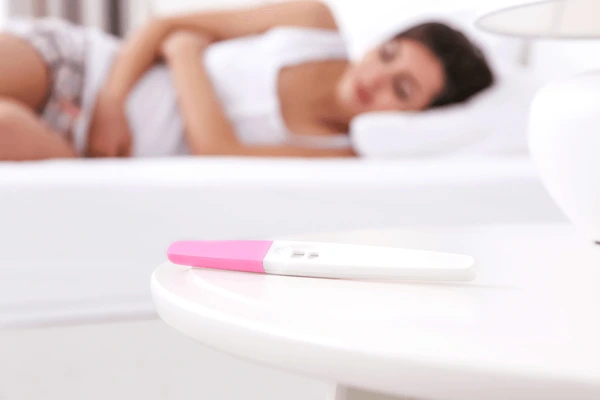
Menstrual disorders can have a profound impact on daily life and fertility, affecting physical, emotional, and social well-being. Women with menstrual disorders often experience symptoms such as severe pain (dysmenorrhea), heavy or unpredictable bleeding, fatigue, mood swings, and headaches, which can disrupt work, school, and social activities. Studies show that one in three women may have to pause daily tasks due to menstrual symptoms, though many do not openly communicate this disruption.​

Physically, heavy menstrual bleeding can lead to anemia causing tiredness and decreased energy, impacting daily productivity. Painful cramps and pelvic discomfort may limit mobility and participation in routine activities. Emotionally, disorders like premenstrual syndrome (PMS) and premenstrual dysphoric disorder (PMDD) contribute to mood swings, anxiety, irritability, and depression, further affecting overall life quality.

Menstrual disorders also influence fertility. Conditions such as polycystic ovary syndrome (PCOS), endometriosis, and hormonal imbalances that cause irregular or absent periods can impair ovulation, reducing the chances of conception. Untreated disorders may lead to complications like infertility or pregnancy loss. Early diagnosis and management by the best lady gynecologist in Kolkata, Dr. Saima Javed, are essential to address these impacts effectively.

In summary, menstrual disorders significantly affect daily functioning and fertility, underscoring the importance of expert care to improve life quality and reproductive outcomes.
best lady gynecologist in Kolkata, normal delivery, adolescent health 
, Treatment for infertility, Prenatal care checkups, High Risk Pregnancy Care
Contraception and Birth Control
, Abnormal Menstruation, PCOS treatment for pregnancy
PCOS treatment for unmarried, Staying Healthy After Menopause, Laparoscopic, Hysterectomy , Common Laparoscopic Procedures in Females, Laparoscopic Myomectomy, Operative hysteroscopy for polyps and fibroids , Menstrual Disorders

Causes and Risk Factors of Menstrual Disorders

Causes and risk factors of menstrual disorders are varied and can include hormonal imbalances, genetic factors, lifestyle influences, and underlying medical conditions. Hormonal disruptions involving estrogen and progesterone are among the most common causes, often triggered by issues with the hypothalamus, pituitary gland, or ovaries. Genetic abnormalities or chromosomal defects can also affect normal menstrual function, especially in cases of primary amenorrhea.

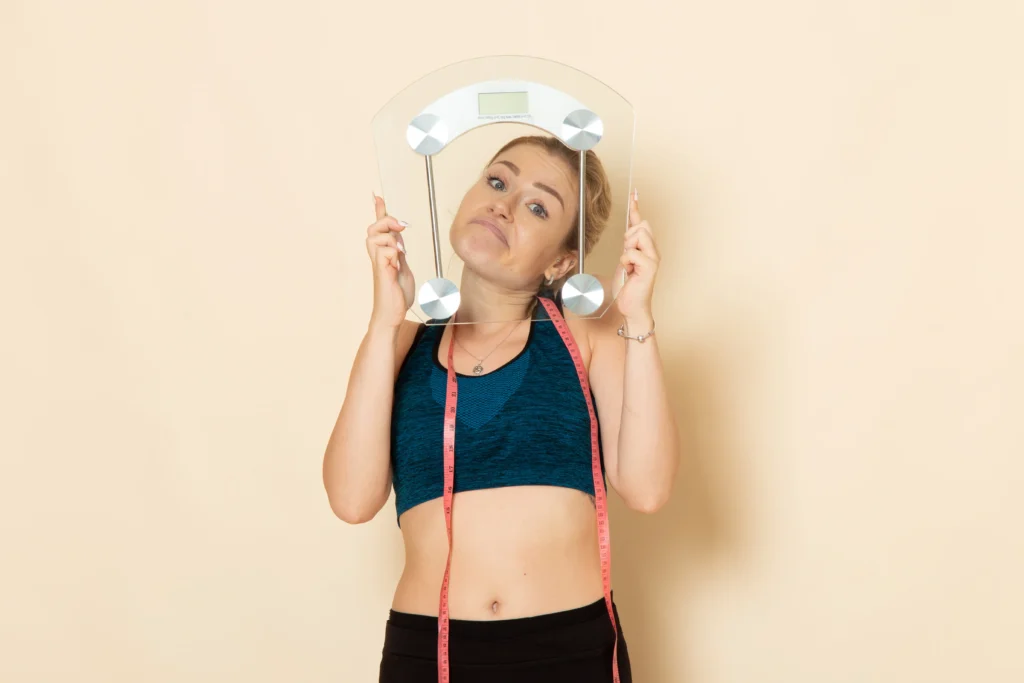
Lifestyle factors such as excessive physical exercise, extreme psychological or physical stress, poor diet, and eating disorders significantly increase the risk of developing menstrual disorders. For example, amenorrhea risk rises with excessive exercise and eating disorders, while stress and obesity contribute to abnormal uterine bleeding.

Chronic medical conditions like polycystic ovary syndrome (PCOS), endometriosis, uterine fibroids, thyroid disorders, and diabetes are important contributors. Some risk factors are age-related, such as early menarche or older maternal age, and reproductive history, including nulliparity and previous C-section, may also predispose women to dysmenorrhea.

Environmental influences, alcohol consumption, smoking, and psychosocial stress are additional risk factors linked with premenstrual syndrome and other menstrual irregularities. Family history plays a role in genetic predispositions to menstrual disorders.

Recognizing these multifactorial causes and risk factors enables the best lady gynecologist in Kolkata, Dr. Saima Javed, to provide tailored evaluations and treatment plans, improving outcomes for women experiencing menstrual disorders.

This detailed understanding encompasses hormonal, genetic, lifestyle, medical, and environmental aspects, emphasizing the complexity behind menstrual disorders and the need for expert care.

best lady gynecologist in Kolkata, normal delivery, adolescent health 
, Treatment for infertility, Prenatal care checkups, High Risk Pregnancy Care
Contraception and Birth Control
, Abnormal Menstruation, PCOS treatment for pregnancy
PCOS treatment for unmarried, Staying Healthy After Menopause, Laparoscopic, Hysterectomy , Common Laparoscopic Procedures in Females, Laparoscopic Myomectomy, Operative hysteroscopy for polyps and fibroids , Menstrual Disorders

Natural and Herbal Remedies in Menstrual Disorder Management

Natural and herbal remedies are increasingly sought after in the management of menstrual disorders as complementary options to conventional medical treatments. These approaches often focus on symptom relief, hormonal balance, and improving overall menstrual health with fewer side effects.

Some widely used natural remedies include:

  • Herbal Teas and Supplements: Herbs like ginger, chamomile, cinnamon, and fennel have anti-inflammatory and antispasmodic properties that can reduce menstrual cramps and soothe discomfort. Supplements like evening primrose oil and chasteberry (Vitex agnus-castus) are believed to help regulate hormonal imbalances, reducing symptoms of premenstrual syndrome (PMS) and menstrual irregularities.
  • Diet and Nutrition: A diet rich in omega-3 fatty acids, magnesium, and vitamins B6 and E may alleviate symptoms like mood swings, cramps, and fatigue. Avoiding caffeine, salt, and processed foods during menstruation is also recommended.
  • Lifestyle Changes: Regular exercise, yoga, and stress management techniques such as meditation can improve blood flow and reduce hormonal stress, which positively influences menstrual cycles.
  • Aromatherapy: Essential oils like lavender, clary sage, and peppermint used in massage or inhalation may reduce pain and emotional symptoms associated with menstrual disorders.

While natural remedies may provide relief for mild to moderate menstrual symptoms, it is important to consult a healthcare professional for personalized advice. As the best lady gynecologist in Kolkata, Dr. Saima Javed emphasizes that these remedies should complement, not replace, conventional treatments especially for severe or persistent menstrual disorders.

Integrating natural and herbal approaches with medical care offers a holistic way to manage menstrual disorders effectively and improve women’s quality of life.

Emotional and Psychological Support for Women with Menstrual Disorders

Emotional and psychological support plays a vital role in the comprehensive management of menstrual disorders, as many women experience significant mental health challenges linked to their symptoms. Conditions like premenstrual syndrome (PMS), premenstrual dysphoric disorder (PMDD), and chronic menstrual pain can contribute to anxiety, depression, irritability, mood swings, and emotional distress.

Providing empathetic counseling and psychological support helps women cope with the emotional burden and improves their overall well-being. Techniques such as cognitive-behavioral therapy (CBT), mindfulness, and stress reduction practices have been shown to alleviate mood disturbances associated with menstrual disorders.

Support groups and open communication with healthcare providers, including the best lady gynecologist in Kolkata, Dr. Saima Javed, can empower women to discuss their symptoms without stigma and receive appropriate care. Educating women and their families about the psychological impacts of menstrual disorders fosters understanding and facilitates better support systems.

Integrating emotional and psychological care with medical treatment enhances quality of life, promotes treatment adherence, and addresses both physical and mental health aspects of menstrual disorders effectively.
best lady gynecologist in Kolkata, normal delivery, adolescent health 
, Treatment for infertility, Prenatal care checkups, High Risk Pregnancy Care
Contraception and Birth Control
, Abnormal Menstruation, PCOS treatment for pregnancy
PCOS treatment for unmarried, Staying Healthy After Menopause, Laparoscopic, Hysterectomy , Common Laparoscopic Procedures in Females, Laparoscopic Myomectomy, Operative hysteroscopy for polyps and fibroids , Menstrual Disorders

Preventive Measures and Healthy Menstrual Practices

Preventive measures and healthy menstrual practices are essential for promoting menstrual health, preventing infections, and ensuring comfort throughout the menstrual cycle. Here are important guidelines every woman should follow:
  • Choose the Right Menstrual Products: Select from pads, tampons, menstrual cups, or reusable cotton pads based on comfort and lifestyle. Always use high-quality products and avoid those with harsh chemicals or fragrances.​
  • Change Products Regularly: Replace pads or tampons every 4-6 hours, or more frequently on heavy flow days. Empty menstrual cups as per instructions (typically every 8-12 hours). Never exceed the recommended usage to prevent bacterial growth and reduce infection risks.​
  • Maintain Personal Hygiene: Wash hands thoroughly before and after changing menstrual products. Clean the external genital area with mild, unscented soap and water. Avoid douching or using harsh cleansers that may disrupt the vagina’s natural balance.​
  • Proper Disposal of Used Products: Wrap used pads or tampons in paper before discarding them in a trash bin. Never flush menstrual products down the toilet as they can cause blockages and environmental harm.​
  • Wear Clean and Breathable Underwear: Opt for cotton underwear to allow airflow and reduce moisture buildup, which can help prevent rashes and infections.​
  • Eat a Balanced Diet and Stay Hydrated: Consuming healthy foods, especially fruits, vegetables, and whole grains, and drinking plenty of water can lessen bloating and menstrual cramps.​
  • Exercise Regularly: Gentle physical activities like stretching, walking, or yoga can ease period discomfort and boost well-being.​
  • Track Your Cycle: Use a calendar or smartphone app to monitor your periods and note any changes in symptoms. This helps identify irregularities early for timely medical attention.​
  • Annual Gynecological Check-Ups: Visit the best lady gynecologist in Kolkata for regular screenings, professional menstrual health counseling, and to discuss any unusual symptoms promptly.
best lady gynecologist in Kolkata, normal delivery, adolescent health 
, Treatment for infertility, Prenatal care checkups, High Risk Pregnancy Care
Contraception and Birth Control
, Abnormal Menstruation, PCOS treatment for pregnancy
PCOS treatment for unmarried, Staying Healthy After Menopause, Laparoscopic, Hysterectomy , Common Laparoscopic Procedures in Females, Laparoscopic Myomectomy, Operative hysteroscopy for polyps and fibroids , Menstrual Disorders

When Should You See a Gynecologist?

You should seek medical advice if you notice any of the following:

  • Missed periods for more than three months
  • Extremely heavy or prolonged bleeding
  • Severe cramps that affect daily activities
  • Spotting between periods
  • Mood swings, fatigue, or unusual physical symptoms

Ignoring these signs can worsen the condition. Early consultation with the best lady gynecologist in Kolkata ensures timely diagnosis and effective management of Menstrual Disorders.

best lady gynecologist in Kolkata, normal delivery, adolescent health 
, Treatment for infertility, Prenatal care checkups, High Risk Pregnancy Care
Contraception and Birth Control
, Abnormal Menstruation, PCOS treatment for pregnancy
PCOS treatment for unmarried, Staying Healthy After Menopause, Laparoscopic, Hysterectomy , Common Laparoscopic Procedures in Females, Laparoscopic Myomectomy, Operative hysteroscopy for polyps and fibroids , Menstrual Disorders

FAQ

1. What are menstrual disorders?

Menstrual disorders refer to any irregularity or abnormality in a woman’s menstrual cycle, including missed periods, heavy bleeding, painful cramps, or irregular cycles.


2. What causes menstrual disorders?

They can be caused by hormonal imbalances, PCOS, thyroid problems, stress, uterine fibroids, or certain medications that affect hormone levels.


3. When should I see a gynecologist for menstrual problems?

You should visit a gynecologist if your periods are extremely painful, very heavy, irregular, or stop for more than three months. Early consultation helps in proper diagnosis and treatment.


4. Can menstrual disorders affect fertility?

Yes. Some menstrual disorders, such as PCOS or thyroid imbalances, can interfere with ovulation and make it harder to conceive.


5. How can menstrual disorders be treated?

Treatment depends on the cause and may include hormonal therapy, lifestyle changes, medications, or minor surgical procedures under the guidance of the best lady gynecologist in Kolkata, Dr. Saima Javed.

Final Thoughts

Menstrual Disorders are more common than many women realize, but they are not something to ignore. Your menstrual cycle is a mirror of your hormonal and reproductive health. Timely care, awareness, and regular check-ups can make a big difference.

If you’re facing irregular periods, heavy bleeding, or painful cramps, don’t wait. Book an appointment with Dr. Saima Javed — the best lady gynecologist in Kolkata — and take the first step toward balanced, pain-free periods and a healthier life.

Need to see a gynaecologist?

We’ve made it simple for you to schedule an appointment right
away via Whatsapp.

Share This Article

Recent Post