-
UNITED HEALTH CENTRE 2,ELLIOT ROAD, KOLKATA - 700016
UNITED HEALTH CENTRE 2,ELLIOT ROAD, KOLKATA - 700016
Hello Reader!
Welcome to the blog page of Dr. Saima Javed, the best lady gynecologist in Kolkata
Uterine fibroids are common non-cancerous growths that develop in or around the uterus. While some fibroids cause no symptoms, others can lead to heavy menstrual bleeding, pelvic pressure or pain, frequent urination, abdominal discomfort, and fertility-related concerns. When symptoms are significant or other treatments are not suitable, surgery may be recommended.
One of the most common questions women have after deciding on surgery is: “How long will my Fibroid Surgery Recovery take?”
The answer depends on several factors, including the type of surgery, the size and location of the fibroids, the surgical technique used, your overall health, and how your body heals.
Understanding what to expect during Fibroid Surgery Recovery can help you prepare physically and emotionally and follow your doctor’s postoperative instructions more confidently.
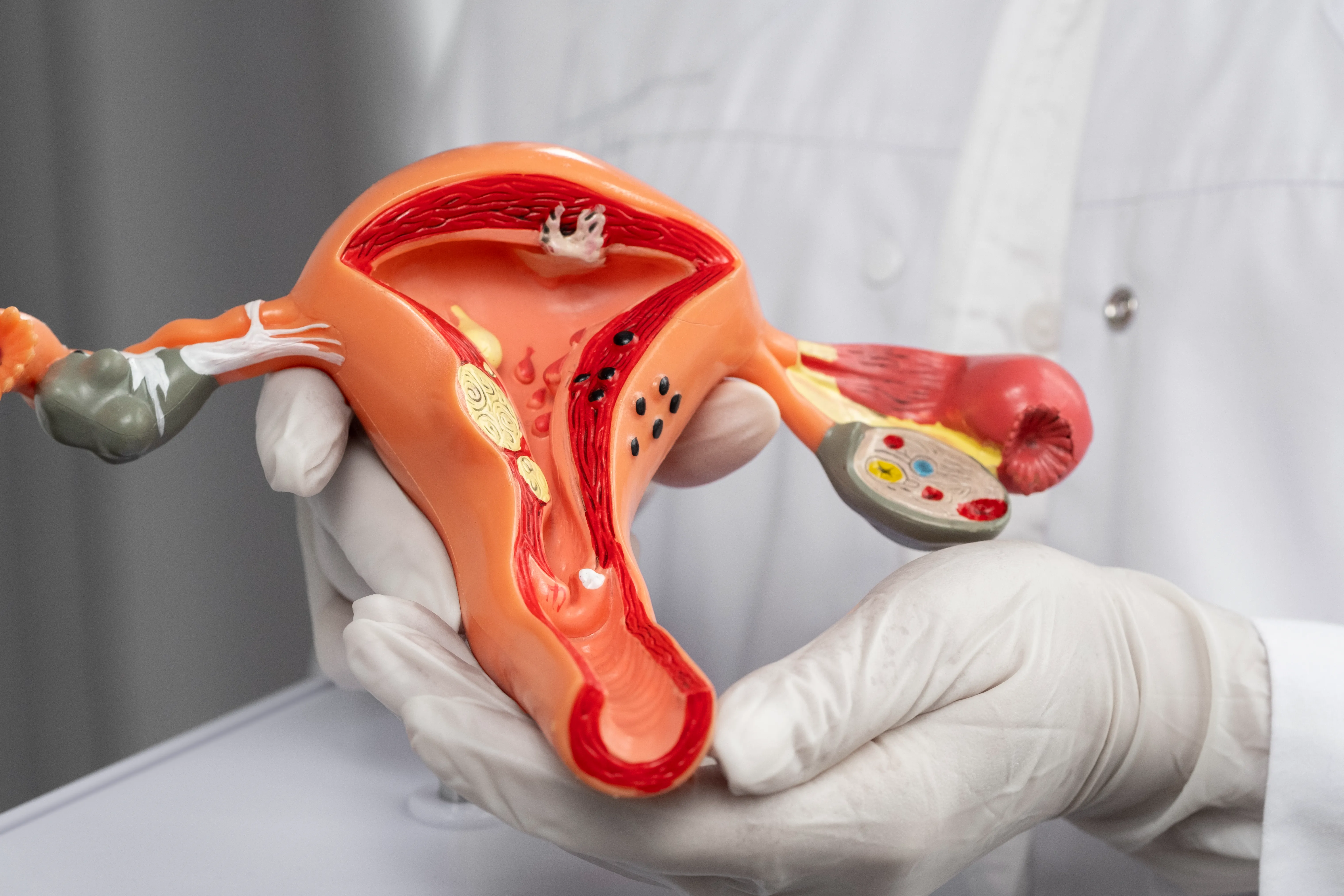
The term “fibroid surgery” can refer to different procedures. The appropriate procedure depends on the number, size, location, symptoms, age, reproductive plans, and overall health of the patient.
A myomectomy removes the fibroids while preserving the uterus. It may be considered for women who want to preserve fertility or retain their uterus.
Myomectomy can be performed through different approaches:
The recovery period varies considerably according to the approach.
A hysterectomy involves removal of the uterus and may be recommended in selected women when fibroids are very large, symptoms are severe, or other treatments have not worked or are unsuitable.
Because the uterus is removed, pregnancy is no longer possible after a hysterectomy. The route—abdominal, laparoscopic, or vaginal—also affects recovery.
There is no single recovery timeline that applies to every woman.
For myomectomy, some patients may recover within a couple of weeks after minimally invasive procedures, while recovery after open surgery may take several weeks. UCLH notes that recovery following myomectomy can vary from approximately two to six weeks, depending on the circumstances and surgical approach.
Similarly, hysterectomy recovery depends on the route of surgery. Minimally invasive approaches generally allow a faster return to normal activities than abdominal surgery.
Your surgeon should give you an individualized estimate based on your procedure and medical history.
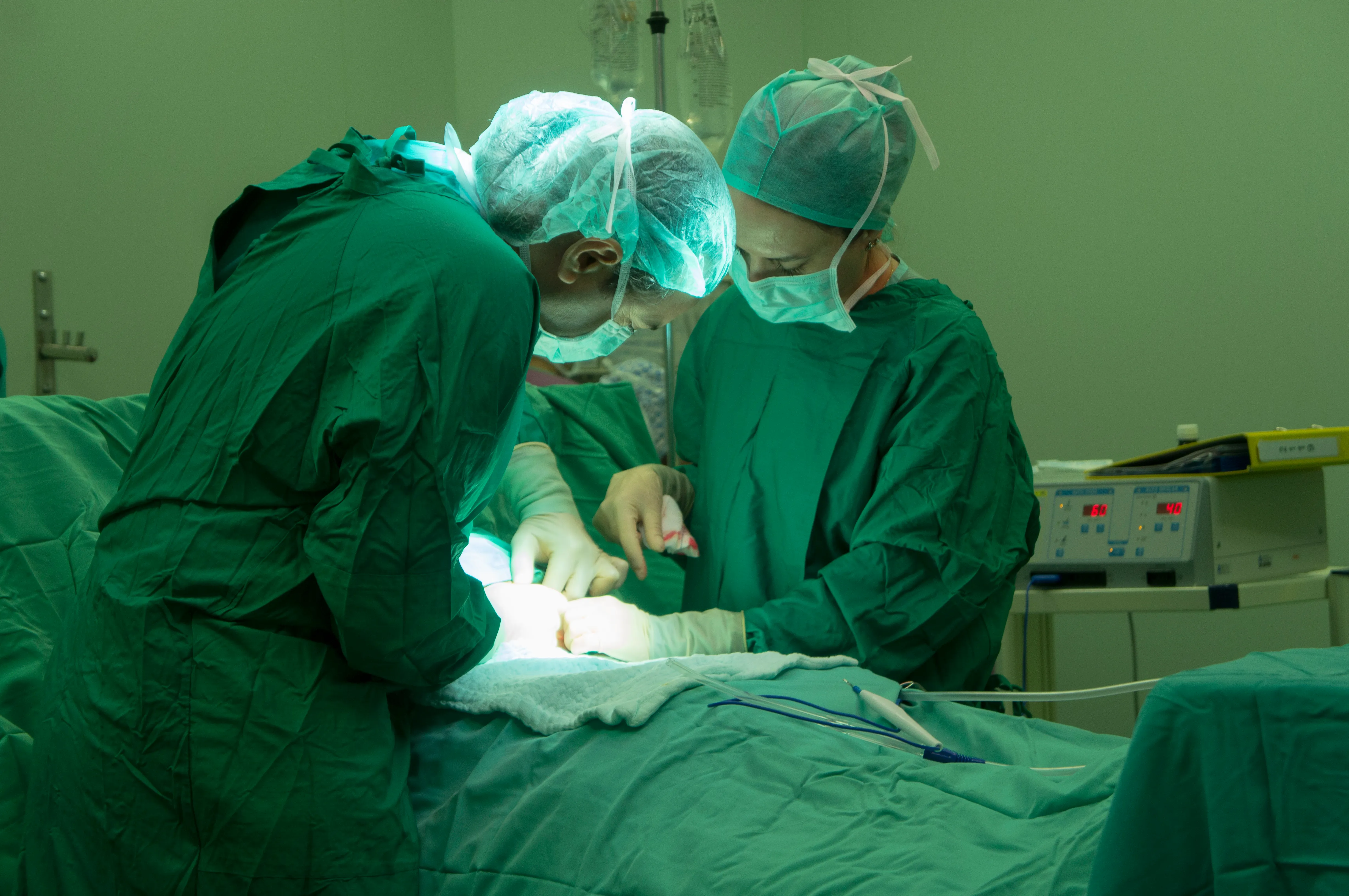
During the initial days after surgery, it is normal to experience some:
Pain medications prescribed by your doctor can help control discomfort.
Do not compare your recovery with someone else’s. Two women undergoing “fibroid surgery” may have completely different procedures and therefore very different recovery experiences.
During the first week, your primary focus should be rest, appropriate movement, nutrition, hydration, and following postoperative instructions.
You may gradually increase light activity as tolerated. Short walks are often encouraged after gynecologic surgery because early mobilization can help reduce deconditioning and the risk of blood clots.
However, you should avoid pushing yourself simply because you are feeling slightly better.
Your body is still healing internally.
The time required before returning to work depends largely on the type of procedure and the nature of your job.
Women with desk-based jobs may return sooner than those whose work involves:
Minimally invasive surgery generally allows an earlier return to normal activities than open abdominal surgery.
Always follow the specific timeline provided by your surgeon rather than relying on a generic recovery schedule.
While you cannot completely control how quickly your body heals, certain habits can support a smoother recovery.
Your postoperative instructions are personalized according to your surgery and health. Take prescribed medicines as directed and attend follow-up appointments.
Do not stop medication or resume restricted activities simply because you feel better.
Extended bed rest is generally not the goal after uncomplicated gynecological surgery. Your healthcare team may encourage you to get up and walk as soon as it is safe.
Gradually increasing your walking can support mobility and reduce the risk of complications associated with prolonged inactivity.
Your body needs adequate nutrition to repair tissues and restore energy.
Try to include:
If you experienced heavy bleeding before surgery or have anemia, your doctor may recommend specific nutritional measures or supplements.
Adequate fluid intake can support normal body functions and may also help with constipation, which can occur after surgery.
If your doctor has given you fluid restrictions for another medical reason, follow those instructions instead.
Constipation can be uncomfortable after pelvic or abdominal surgery.
Pain medicines, reduced activity, changes in diet, and anesthesia can contribute to constipation. Drinking adequate fluids, eating fiber when appropriate, and gradually increasing activity can help. Your doctor may recommend a stool softener or laxative if necessary.
If you have abdominal incisions, keep them clean and follow your surgeon’s wound-care instructions.
Do not apply creams, oils, powders, or other products to a healing incision unless your medical team recommends them.
Even if your external incision looks healed, internal tissues may still require additional time.
Avoid lifting heavy objects or undertaking strenuous exercise until your surgeon confirms that it is safe.
Fatigue can continue for some time after surgery. Adequate sleep and planned periods of rest can help you manage your energy while you gradually return to your usual routine.
Also Read: Obesity and Infertility: The Impact on the Outcomes of IVF

Light walking may be encouraged early in recovery, depending on your condition.
However, activities such as:
should generally be resumed only when your surgeon gives you clearance.
The right time to restart exercise depends on your procedure and individual healing.
Some discomfort can be expected after surgery, but certain symptoms require prompt medical attention.
Contact your healthcare provider if you develop:
Shortness of breath, chest pain, or other symptoms that could indicate a serious complication require urgent medical evaluation. ACOG also advises patients to contact their ob-gyn for concerning symptoms such as heavy bleeding or fever after hysterectomy.
Yes. The surgical approach can make a significant difference.
Minimally invasive procedures generally involve smaller incisions and may allow a shorter hospital stay and faster recovery compared with open abdominal surgery when they are appropriate for the patient.
However, minimally invasive surgery is not appropriate for every fibroid case. The size, number, and location of fibroids and other individual factors need to be considered before selecting the surgical approach.
After myomectomy, the fibroids that were removed do not grow back, but new fibroids can develop later. Therefore, ongoing gynecological follow-up may be recommended depending on your individual situation.
A hysterectomy removes the uterus, so uterine fibroids cannot develop in the uterus afterward.
For women planning future pregnancy, the choice of treatment is particularly important.
A myomectomy preserves the uterus and may allow future pregnancy, although fertility outcomes depend on several factors. In some cases, surgery itself can lead to internal scarring, and the location and depth of the fibroid removal may influence future pregnancy management.
Therefore, women who wish to become pregnant should discuss their reproductive plans with their gynecologist before choosing a treatment.
For a healthier recovery, remember these key points:
a. Follow your surgeon’s postoperative instructions carefully.
b. Take medications exactly as prescribed.
c. Begin gentle movement when medically appropriate.
d. Avoid heavy lifting until you receive clearance.
e. Eat nutritious, protein-rich meals.
f. Stay adequately hydrated.
g. Get sufficient sleep and rest.
h. Keep surgical wounds clean and protected.
i. Attend scheduled follow-up appointments.
j. Report unusual or worsening symptoms promptly.
If you have unusually heavy periods, prolonged menstrual bleeding, pelvic pressure, persistent pelvic pain, abdominal enlargement, frequent urination, or fertility concerns, it is important to seek a proper gynecological evaluation.
Not every fibroid requires surgery. Treatment can range from observation and medication to procedures and surgery, depending on the symptoms, fibroid characteristics, reproductive goals, and overall health.
An experienced gynecologist can evaluate your condition and discuss available treatment options.

1. How long does Fibroid Surgery Recovery usually take?
Recovery varies according to the procedure. Some minimally invasive procedures have shorter recovery periods, while open abdominal surgery can require several weeks. Myomectomy recovery may range from about two to six weeks depending on the surgical approach and individual circumstances.
2. Can I walk after fibroid surgery?
Gentle walking is often encouraged once it is medically safe, but your surgeon should guide you on when and how much to walk.
3. When can I return to work after fibroid surgery?
It depends on the procedure and your occupation. Desk-based work may be resumed sooner than physically demanding work.
4. Can fibroids come back after myomectomy?
The removed fibroids do not return, but new fibroids can develop later.
5. Is surgery the only treatment for fibroids?
No. Depending on your symptoms and circumstances, treatment may include observation, medication, minimally invasive procedures, or surgery.
6. How can I heal faster after fibroid surgery?
Following postoperative instructions, maintaining adequate nutrition and hydration, gradually increasing activity, avoiding premature heavy lifting, getting enough rest, and attending follow-up appointments can support recovery.
If you are looking for the best lady gynecologist in Kolkata for guidance regarding uterine fibroids, treatment options, and postoperative care, a personalized consultation can help you understand your condition and make an informed treatment plan.
Dr. Saima Javed provides comprehensive gynecological care with attention to each patient’s individual symptoms, reproductive goals, and medical needs.
Whether you are considering fibroid treatment or are already going through Fibroid Surgery Recovery, professional medical guidance can help you understand what to expect at each stage.
Remember, recovery is not a race. Giving your body adequate time to heal, following medical advice, maintaining healthy nutrition, and gradually returning to normal activities can support a safer and smoother recovery.
If you are experiencing fibroid-related symptoms or have questions about fibroid surgery, consult a qualified gynecologist for an individual assessment, such as Dr. Saima Javed.