-
UNITED HEALTH CENTRE 2,ELLIOT ROAD, KOLKATA - 700016
UNITED HEALTH CENTRE 2,ELLIOT ROAD, KOLKATA - 700016
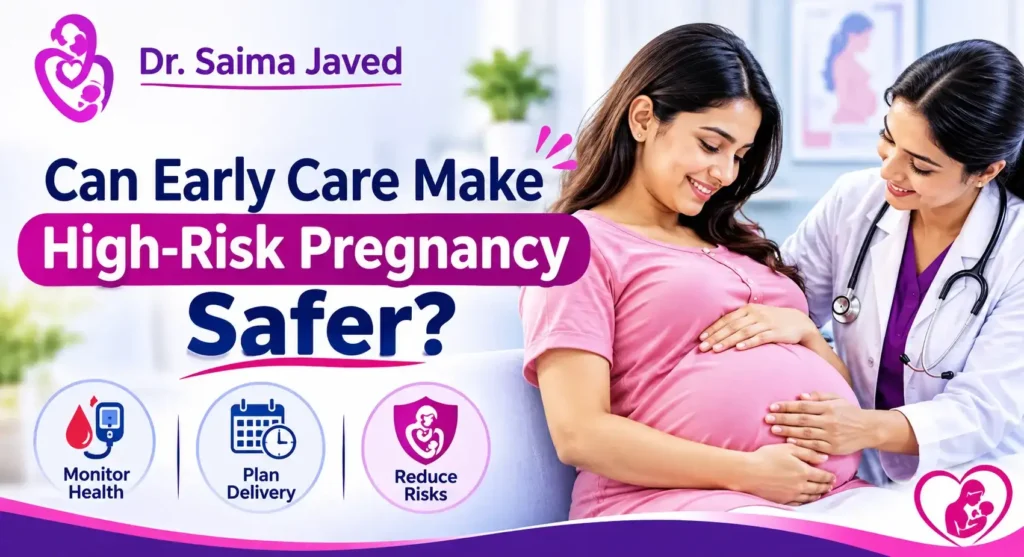
A high-risk pregnancy can bring unexpected challenges, but early identification and careful delivery planning can make a meaningful difference. From regular check-ups to specialised monitoring, every step matters. Knowing the warning signs and choosing the right medical support can help protect both mother and baby. Discover how expert pregnancy care supports safer decisions throughout this important journey.
Best High Risk Pregnancy Specialist in Kolkata helps identify pregnancy complications early, monitor maternal health, and plan delivery according to individual medical needs.
A high-risk pregnancy is a pregnancy where the mother, baby, or both may face a greater chance of health complications. Therefore, it needs closer medical attention and an individual care plan.
However, being diagnosed with a high-risk pregnancy does not mean that something bad will happen. With timely assessment, regular monitoring, and appropriate treatment, many women can have healthy pregnancy outcomes learn from Best Lady Gynecologist in Kolkata.
Several medical, lifestyle, and pregnancy-related factors can increase pregnancy risks.
Common risk factors include:
Moreover, complications can develop even when a pregnancy initially appears normal. Therefore, regular antenatal assessment remains important throughout pregnancy.
How can high-risk pregnancy complications be identified early?
Doctors identify potential complications through medical history, physical examinations, blood tests, ultrasound scans, blood pressure checks, and regular assessment of the baby’s growth and wellbeing.
Early identification helps doctors understand possible risks and decide whether additional monitoring or specialist treatment is necessary.
1. Review of Medical and Pregnancy History
First, the doctor reviews the mother’s health and previous pregnancy experiences.
This assessment may include:
2. Regular Blood Pressure Monitoring
High blood pressure during pregnancy can increase the risk of pre-eclampsia.
Therefore, regular blood pressure checks help doctors identify concerning changes. Urine testing and additional investigations may also help assess possible complications.
3. Blood and Urine Tests
Depending on individual needs, doctors may recommend:
4. Ultrasound and Fetal Growth Assessment
Ultrasound scans help doctors assess the baby’s development, growth, position, and other pregnancy-related concerns.
In selected high-risk pregnancies, additional growth scans or Doppler studies may be recommended.
5. Monitoring Baby’s Heartbeat and Movements
Doctors may recommend fetal heart rate monitoring, such as a non-stress test (NST), when clinically appropriate.
Furthermore, changes in the baby’s usual movement pattern need prompt medical attention.
Some pregnancy complications develop without obvious symptoms. However, certain warning signs need immediate medical assessment.
Watch for:
Important: Do not wait for your next appointment if you experience these symptoms. Contact your maternity team or seek emergency medical care immediately.
Delivery planning is an important part of high-risk pregnancy management. The doctor considers the mother’s health, the baby’s condition, pregnancy progress, and possible complications before recommending a delivery approach.
1. Mother’s Medical Condition
Conditions such as hypertension, diabetes, heart disease, and pre-eclampsia may influence the timing and setting of delivery.
2. Baby’s Growth and Position
The baby’s growth, presentation, heartbeat, and overall wellbeing help doctors decide the safest delivery approach.
3. Gestational Age
The number of completed pregnancy weeks matters. Delivering too early can create risks associated with prematurity. However, continuing a pregnancy may also become unsafe in certain medical situations.
4. Previous Delivery History
A previous C-section, uterine surgery, or complicated vaginal delivery may influence the next birth plan.
5. Availability of Specialist Support
Some high-risk pregnancies need a hospital with suitable obstetric, anaesthesia, neonatal, and emergency support.
A high-risk pregnancy does not automatically require a C-section. The safest delivery method depends on the mother’s condition, baby’s wellbeing, and specific medical findings.
| Medical situation | Possible delivery consideration |
| Well-controlled diabetes | Vaginal delivery may be possible |
| Controlled hypertension | Delivery method depends on clinical findings |
| Previous C-section | Depends on the previous surgery and current pregnancy |
| Multiple pregnancy | Depends on baby positions and other clinical factors |
| Fetal distress | Urgent delivery may be necessary |
| Placenta covering the cervix | C-section may be recommended |
Therefore, the doctor should discuss the benefits and risks of available delivery options with the mother.
A well-prepared delivery plan helps the family understand what to expect and where to seek care.
It may include:
Moreover, the plan should remain flexible because pregnancy conditions can change.
Although not every complication can be prevented, healthy habits and proper medical care can help manage several pregnancy risks.
Follow these practical steps:
Most importantly, do not follow unverified pregnancy advice from social media instead of professional medical guidance.
Finding an experienced obstetrician or gynaecologist is an important step when a pregnancy involves additional medical concerns.
When choosing a Best High Risk Pregnancy Specialist in Kolkata, consider the following:
A good specialist should explain the pregnancy condition in simple language and involve the mother in important treatment decisions.
Dr Saima Javed is a gynaecologist whom women can consult for pregnancy-related concerns and personalised medical guidance.
If you have a complicated pregnancy or a history of pregnancy-related complications, discuss your medical history, investigation reports, and delivery concerns during your consultation.
Depending on your individual condition, your care plan may involve:
The goal is to make informed medical decisions at every stage of pregnancy rather than waiting for complications to become serious.
The right doctor is an obstetrician or gynaecologist with appropriate experience in managing high-risk pregnancies. The doctor should provide individualised monitoring, recognise warning signs, and coordinate specialist care when needed.
If you are looking for a Best High Risk Pregnancy Specialist in Kolkata, consider consulting Dr Saima Javed to discuss your pregnancy history, current health, and monitoring requirements.
You can contact the doctor’s clinic or hospital to enquire about appointment availability.
Before your consultation, prepare:
This information can help the doctor understand your pregnancy history and recommend appropriate next steps. Check Patient’s review click: https://shorturl.at/lohSo
A high-risk pregnancy needs attention, careful monitoring, and timely medical decisions. However, an early diagnosis and a well-planned delivery approach can help manage potential complications. Therefore, do not ignore warning signs or delay antenatal appointments. Consult Dr Saima Javed for personalised pregnancy guidance and discuss the safest care and delivery options for your individual needs. Click the map link visit: https://maps.app.goo.gl/XRQiqd8eRbKJDu4c6
1. What are the early signs of a high-risk pregnancy?
Early signs may include high blood pressure, unusual bleeding, severe vomiting, persistent abdominal pain, or reduced fetal movements. However, some complications have no obvious symptoms. Regular antenatal check-ups help identify potential risks.
2. Can a high-risk pregnancy have a normal delivery?
Yes. Some women with high-risk pregnancies can have vaginal deliveries. However, the decision depends on maternal health, fetal wellbeing, pregnancy progress, and other medical factors.
3. When should delivery planning begin for a high-risk pregnancy?
Delivery planning should begin early and continue throughout pregnancy. Doctors review medical history, test results, fetal growth, and maternal health to decide the appropriate delivery timing and method.
4. Does gestational diabetes make pregnancy high-risk?
Yes. Gestational diabetes can increase certain pregnancy risks. However, appropriate blood sugar monitoring, dietary management, and medical treatment can help manage these risks.
5. Why is regular monitoring important during high-risk pregnancy?
Regular monitoring helps doctors identify changes in maternal health and fetal development. Consequently, they can recommend timely investigations, treatment, or delivery planning when necessary.
6. Where can I find the Best High Risk Pregnancy Specialist in Kolkata?
You can consult Dr Saima Javed for gynaecological and pregnancy-related guidance in Kolkata. Discuss your medical history and pregnancy concerns to understand the appropriate monitoring and care options.