-
UNITED HEALTH CENTRE 2,ELLIOT ROAD, KOLKATA - 700016
UNITED HEALTH CENTRE 2,ELLIOT ROAD, KOLKATA - 700016
Unexplained bleeding, fertility concerns, or repeated menstrual problems can create worry and uncertainty. However, hysteroscopy offers a valuable way to examine the inside of the uterus and identify certain abnormalities. Understanding the procedure, preparation, benefits, and recovery can help you feel more confident. Discover how expert gynaecological care makes the experience safer and more comfortable learn from Hysteroscopic surgery Surgeon in Kolkata .
Hysteroscopy is a minimally invasive gynaecological procedure that allows a doctor to examine the inside of the uterus using a thin instrument with a camera. It can help identify and sometimes treat uterine conditions without making an abdominal incision. If you have abnormal bleeding or fertility concerns, understanding this procedure can help you make informed decisions.
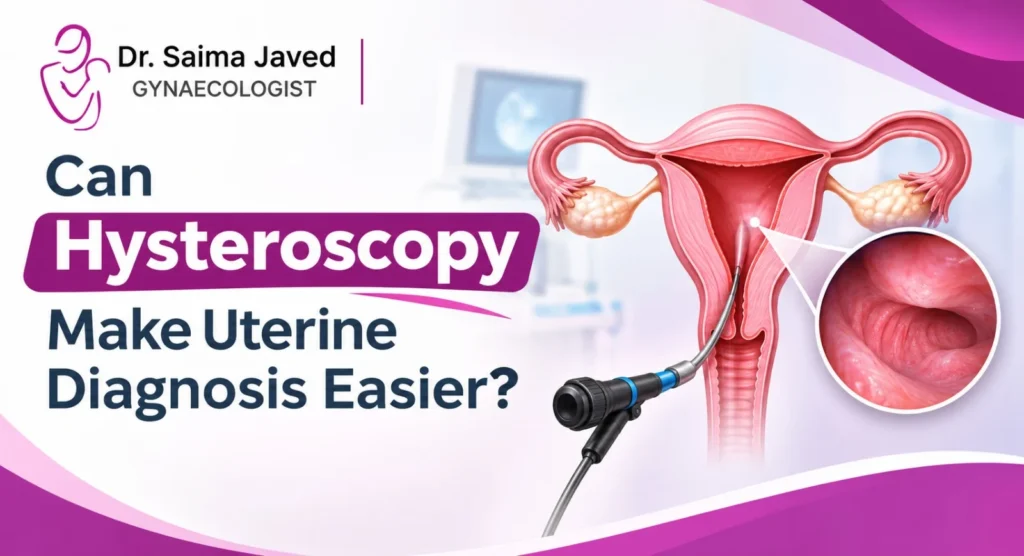
Hysteroscopy is a procedure that helps a gynaecologist examine the uterine cavity through the vagina and cervix. The doctor uses a slender, lighted instrument called a hysteroscope to view the uterine lining.
Unlike traditional abdominal surgery, hysteroscopy does not require an external surgical cut.
The procedure generally involves these steps:
The exact steps depend on whether you need diagnostic or operative hysteroscopy.
A gynaecologist may recommend hysteroscopy when symptoms or test results suggest a problem inside the uterus learn from Best Lady Gynecologist in Kolkata.
Common reasons include:
However, not every menstrual or fertility problem requires hysteroscopy. Your doctor will recommend it based on your symptoms and clinical findings.
There are two main types of hysteroscopy. Each serves a different purpose.
| Type | Main purpose | What happens? |
| Diagnostic hysteroscopy | Examine the uterus | The doctor checks the uterine cavity for abnormalities |
| Operative hysteroscopy | Treat specific uterine problems | Special instruments help remove or correct selected abnormalities |
1. Diagnostic Hysteroscopy
Diagnostic hysteroscopy helps identify problems affecting the uterine cavity.
Your gynaecologist may use it to investigate:
2. Operative Hysteroscopy
Operative hysteroscopy allows the doctor to treat certain conditions during the same procedure.
Depending on the diagnosis, it may help with:
The treatment approach depends on the size, location, and nature of the abnormality.
Proper preparation can make your procedure more comfortable and help reduce avoidable complications.
Before your appointment, follow these steps:
Important: Do not stop prescribed medicines without your doctor’s advice.
Recovery depends on the type of hysteroscopy, the treatment performed, and the anaesthesia used.
After a simple diagnostic procedure, many women return to their normal routine relatively quickly. Operative hysteroscopy may require additional recovery time.
You may experience:
These symptoms generally improve over a few days.
For a smoother recovery:
Do not ignore unusual symptoms after hysteroscopy.
Contact your healthcare provider if you experience:
These symptoms require prompt medical assessment.
Hysteroscopy offers several advantages, especially when a doctor needs to examine or treat abnormalities inside the uterus.
| Benefits | Possible risks |
| Direct examination of the uterine cavity | Infection |
| No abdominal incision | Bleeding |
| Accurate identification of certain abnormalities | Uterine perforation |
| Treatment of selected conditions | Cervical injury |
| Often quicker recovery than abdominal surgery | Fluid-related complications in operative procedures |
Although complications are uncommon, they can occur. Your gynaecologist will explain the possible risks based on your individual condition with patient’s review .
Choosing the right gynaecologist can make a significant difference in understanding your diagnosis and treatment options.
Dr Saima Javed provides gynaecological care for women who need evaluation and treatment for uterine health concerns.
When discussing hysteroscopy, patients should receive clear guidance about:
If you are looking for a Best Lady Gynecologist in Kolkata or a Best Gynaecologist for Hysteroscopy in Kolkata, consider Dr Saima Javed for a consultation about your symptoms and treatment needs.
With appropriate assessment and individualised care, you can make a more confident decision about your reproductive health.
Consider booking a consultation if you experience unexplained uterine bleeding, suspected polyps, persistent menstrual concerns, or other symptoms that may require examination of the uterine cavity.
An early consultation can help your gynaecologist understand the problem and decide whether hysteroscopy is necessary.
Book Hysteroscopy Consultation in Kolkata with Dr Saima Javed to discuss your symptoms, diagnosis, and suitable treatment options.
Hysteroscopy offers a valuable way to examine and treat selected uterine conditions with minimal surgical access. Understanding its benefits, preparation, possible risks, and recovery can reduce uncertainty and support better decisions. If you experience unexplained bleeding or fertility concerns, consult Dr Saima Javed for personalised guidance. Early evaluation can help you take a confident step towards better reproductive health with Dr Saima Javed Gynecologist in Kolkata .
1. What Is Hysteroscopy and How Does the Procedure Work?
Hysteroscopy is a minimally invasive procedure that uses a thin camera-equipped instrument to examine the inside of the uterus. The doctor may also use special instruments to treat certain abnormalities.
2. Is Hysteroscopy a Major Surgery?
Hysteroscopy is generally a minimally invasive procedure. Diagnostic hysteroscopy is usually simpler, while operative hysteroscopy may involve additional treatment depending on the condition.
3. Is Hysteroscopy Painful?
Some women experience mild cramps or discomfort. Pain levels vary depending on the procedure and individual sensitivity. Your doctor can discuss suitable pain-relief or anaesthesia options.
4. How Many Days Does It Take to Recover from Hysteroscopy?
Many women recover from diagnostic hysteroscopy within a short period. Operative procedures may require additional recovery time. Your doctor will provide advice based on the treatment performed.
5. Can Hysteroscopy Help Improve Fertility?
Hysteroscopy can identify and treat certain uterine cavity abnormalities that may affect fertility. However, it does not guarantee pregnancy, and fertility outcomes depend on several factors.
6. Can I Get Pregnant After a Hysteroscopy?
Many women can try to conceive after recovery, depending on the reason for the procedure and the treatment performed. Ask your gynaecologist when it is appropriate to try.
7. Is Hysteroscopy Safe for Women?
Hysteroscopy is generally considered safe when performed for appropriate medical reasons by a trained gynaecologist. However, potential complications include infection, bleeding, and uterine injury.
8. When Should I Consult a Gynaecologist for Hysteroscopy?
Consult a gynaecologist if you experience abnormal uterine bleeding, suspected polyps, or other symptoms that may require examination of the uterine cavity.