An ovarian cyst is a fluid-filled sac that develops on or inside an ovary. Many women experience ovarian cysts at some point in their lives, and while most are harmless and go away on their own, some cysts may require medical attention. If you have been diagnosed with an ovarian cyst, your doctor may suggest laparoscopic surgery as a safe and effective way to remove it.
As the best lady gynecologist in Kolkata, I, Dr. Saima Javed, often see patients concerned about their ovarian cysts and wondering whether laparoscopy is the right treatment option for them. Let’s explore this topic in detail.
What is an Ovarian Cyst?
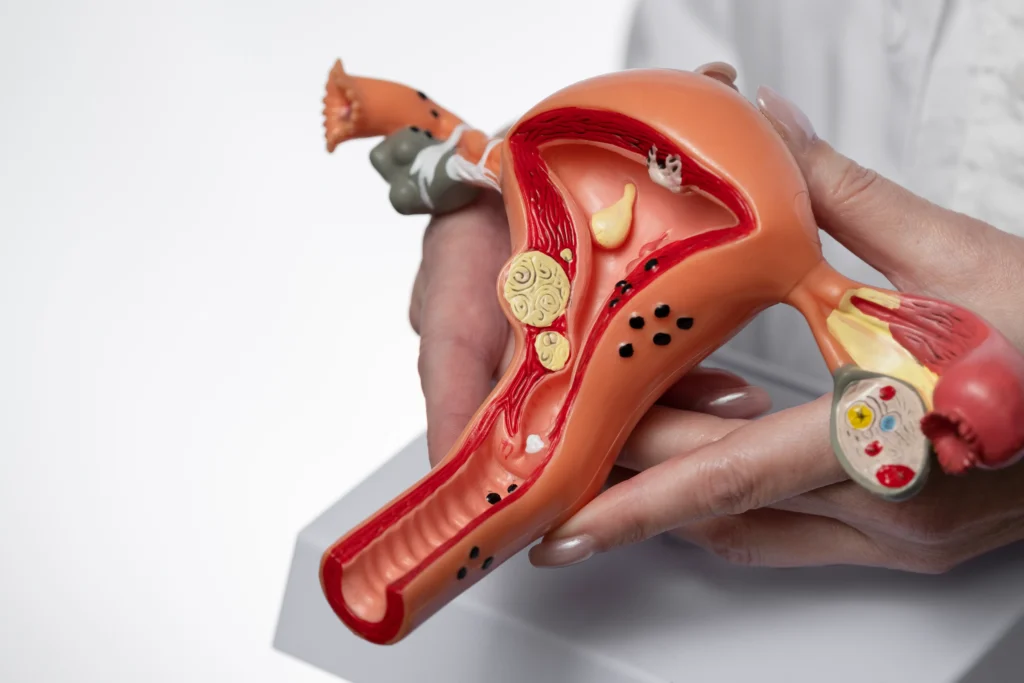
An ovarian cyst is a pocket-like structure filled with fluid that forms on the surface of an ovary. The common types include:
Functional Cysts – Usually harmless and related to the menstrual cycle.
Dermoid Cysts – Contain tissue like hair or fat.
Cystadenomas – Develop from ovarian tissue and may grow large.
Endometriomas – Caused by endometriosis, where tissue grows outside the uterus.
While many ovarian cysts resolve naturally, some can grow large, cause pain, or even rupture—leading to complications.
When is Surgery Required for an Ovarian Cyst?
Not every ovarian cyst requires surgery. However, your gynecologist may recommend removal if:
The cyst is large (usually more than 5–6 cm).
The cyst causes severe pelvic pain or bloating.
It interferes with fertility.
There is suspicion of malignancy.
The cyst does not go away on its own after several menstrual cycles.
What is Laparoscopy for Ovarian Cyst Removal?
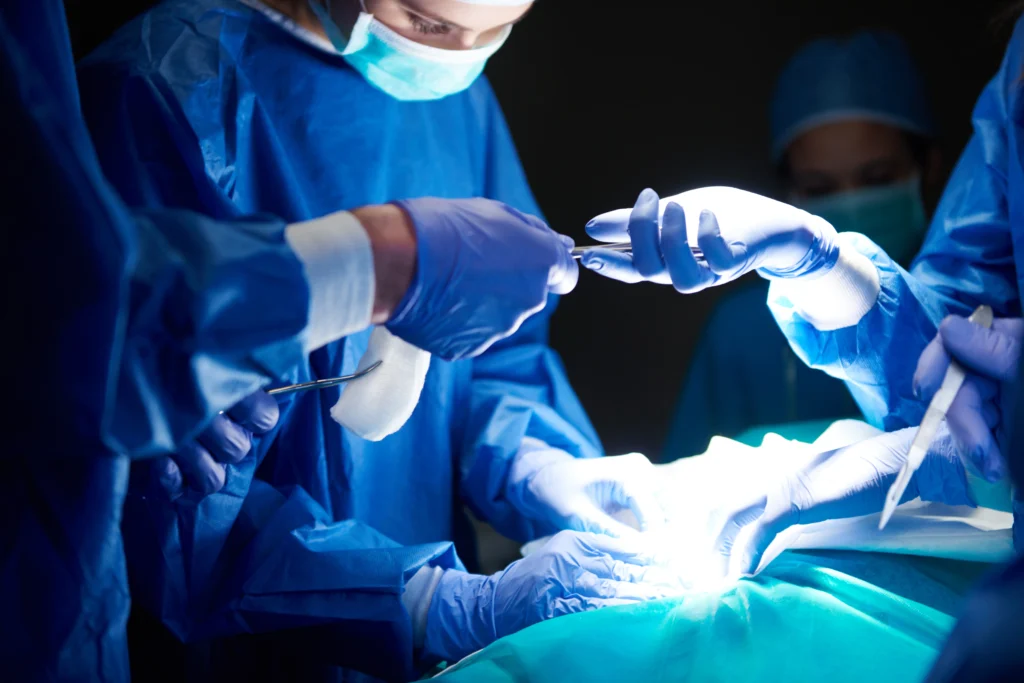
Laparoscopy is a minimally invasive surgical procedure used to diagnose and treat ovarian cysts. Instead of a large cut, the surgeon makes tiny incisions in the abdomen and inserts a laparoscope (a thin tube with a camera). Special surgical instruments are then used to remove the cyst safely.
Benefits of Laparoscopy for Ovarian Cyst
Minimally Invasive – Small cuts mean less pain and faster healing.
Quicker Recovery – Most women return to daily activities within a week.
Lower Risk of Complications – Compared to open surgery.
Better Fertility Preservation – Healthy ovarian tissue can often be preserved.
What are laparoscopic ovarian cystectomy success rates?
Laparoscopic ovarian cystectomy boasts a high success rate, making it a preferred method for removing ovarian cysts while preserving ovarian function. Studies indicate:
Success rates in terms of effective cyst removal and symptom relief exceed 98% in many experienced centers, including top hospitals in India.
The procedure is associated with low complication rates, minimal recurrence of cysts, and rapid recovery.
Laparoscopy also offers improved fertility outcomes compared to open surgery, with reported pregnancy rates ranging between 30% to 67% within the first year post-surgery.
The risk of requiring unplanned oophorectomy (complete ovary removal) during surgery for benign cysts is very low, around 1.6%, underscoring high surgical effectiveness and ovarian preservation.
Faster recovery times, fewer adhesions, and less postoperative pain contribute to overall patient satisfaction and positive outcomes.
For women diagnosed with an ovarian cyst, seeking treatment from the best lady gynecologist in Kolkata ensures access to skilled laparoscopic surgery, maximizing success and fertility preservation. The technique’s safety profile and high efficacy make it the standard of care for benign ovarian cyst removal.
Pre-op tests required before laparoscopic ovarian cyst removal?
Before undergoing laparoscopic ovarian cyst removal, several preoperative tests and evaluations are necessary to ensure patient safety and successful surgery. Key pre-op tests typically include:
Imaging Tests
Pelvic Ultrasound: To evaluate the size, type (fluid-filled, solid, complex), and location of the ovarian cyst. This helps in surgical planning.
MRI or CT Scan: Sometimes ordered for further detailed evaluation if the cyst looks complex or large, or to rule out malignancy.
Blood Tests
Complete Blood Count (CBC): To check overall health and detect any infections or anemia.
Pregnancy Test: Important to confirm the patient is not pregnant before surgery.
CA-125 Test: A blood marker that may be elevated in ovarian cancer; helps assess the nature of the cyst, especially if malignancy is suspected.
Hormone Levels: May be checked to understand cyst behavior and for fertility considerations.
Other Pre-op Evaluations
Physical Examination and Medical History: Thorough assessment by the gynecologist to evaluate surgical fitness and anesthesia safety.
Vital Signs and ECG: To check heart health if applicable.
Urinalysis: To rule out infections that might delay surgery.
Pre-Surgical Instructions
Fasting for 6-8 hours before surgery.
Stopping certain medications like blood thinners under doctor guidance.
Arranging for someone to assist post-surgery at home.
These pre-op assessments ensure the best lady gynecologist in Kolkata can tailor the laparoscopic surgery safely and successfully, minimizing risks and complications.
Why Laparoscopy is Preferred for Ovarian Cyst
For women concerned about their fertility and overall reproductive health, laparoscopy is often the best approach. It allows the best lady gynecologist in Kolkata to remove the cyst with precision while preserving as much of the ovary as possible. This makes it a highly recommended choice for women of reproductive age.
Recovery After Laparoscopy
Most patients recover quickly after laparoscopic ovarian cyst removal. You may experience mild discomfort, bloating, or fatigue for a few days, but these symptoms usually subside with proper care. Following your doctor’s advice on rest, diet, and medication ensures a smooth recovery.
What are the recovery times after laparoscopic ovarian cyst removal?
Recovery times after laparoscopic ovarian cyst removal generally range from one to three weeks, depending on individual factors such as cyst size, overall health, and the complexity of the surgery.
Typical Recovery Timeline
Immediate Post-Surgery: Most patients experience some abdominal pain, bloating, and possible shoulder discomfort (due to the gas used during surgery), which usually improves within a few days to a week.
First Week: Patients are encouraged to rest but also take short, gentle walks to aid circulation and reduce complications. Pain usually subsides, and energy levels gradually improve.
One to Two Weeks: Many patients can resume normal daily activities and return to desk work. Physical activity should still be light, and heavy lifting or strenuous exercise is avoided.
Two to Three Weeks: Most patients feel well enough to return to routine work and moderate physical activity. Full recovery allowing vigorous exercise and heavy lifting typically occurs after about three weeks.
Follow-Up: Post-surgery follow-ups with the gynecologist help ensure healing is progressing well without infection or complications.
Factors Affecting Recovery
Larger or more complex cyst removals may extend recovery time.
Patients with physically demanding jobs may require extra time before returning to full work duties.
Adherence to post-operative care instructions, including diet, wound care, and activity limitations, helps speed recovery.
What activities and lifting limits during the first 6 weeks post-op?
During the first 6 weeks following laparoscopic ovarian cyst removal or similar gynecological surgeries, patients should adhere to specific activity and lifting limits to ensure proper healing and avoid complications:
Activity Guidelines for First 6 Weeks Post-Op
Weeks 1-2: Focus on gentle movements like short, slow walks to promote circulation and reduce risk of blood clots. Avoid strenuous activity or prolonged standing. Gentle pelvic floor exercises may be started if advised.
Weeks 3-6: Gradually increase light activities such as longer walks (less than 30 minutes at a time). Still avoid heavy exercise, cycling, or aerobic workouts.
Lifting Limits
Avoid lifting anything heavier than 5 to 10 pounds (approximately 2.5 to 4.5 kg) during the first 2 weeks.
Between weeks 3 and 6, gradually increase lifting capacity to 10 to 20 pounds (4.5 to 9 kg) only if comfortable and without pain. Heavy lifting remains restricted.
Avoid carrying heavy groceries, laundry baskets, vacuum cleaners, or young children during this period.
Use proper body mechanics when reaching for objects—bend at knees or sit down rather than bending stiffly.
Other Important Restrictions
Avoid activities that increase intra-abdominal pressure such as straining during bowel movements; stool softeners may be recommended.
No high-impact exercises, running, or competitive sports for at least 6 weeks.
Avoid bicycling, swimming, and any intense physical exertion until cleared by your surgeon.
Listen to your body and stop any activity causing pain or unusual discomfort.
This cautious approach allows the operated tissues to heal, reducing risks such as wound reopening, hernias, or internal bleeding while enabling a smooth and safe recovery.
How to prepare my home for recovery after laparoscopy?
Preparing your home for recovery after laparoscopic surgery is key to ensuring a smooth, comfortable healing process. Here are important tips to get your home ready for post-op recovery:
Create a Comfortable Resting Space
Set up a cozy area with good support for your back and legs, such as a recliner or adjustable bed.
Keep pillows nearby to support your abdomen or to sit with proper posture.
Have easy access to water, medications, phone, and reading materials to minimize unnecessary movement.
Arrange Essential Supplies Within Reach
Stock up on prescribed pain medications and any recommended supplements.
Prepare soft, easy-to-digest foods and snacks for the first few days.
Keep hygiene essentials like wet wipes, hand sanitizer, and comfortable loose clothing ready.
Plan for Limited Mobility
Clear walking paths to avoid tripping hazards.
Avoid clutter and secure loose rugs.
Keep necessary items like remote controls, chargers, and water bottles on bedside tables or low shelves.
Arrange Help and Support
Ensure a family member or friend can assist with household chores, cooking, and errands.
Plan for help with lifting heavy items as lifting restrictions apply after surgery.
Prepare for Gentle Movement
Have comfortable footwear available for short walks inside the home.
Set reminders for gentle walking and deep breathing exercises recommended by your doctor.
Bathroom Safety
Place nonslip mats and grab bars if necessary to prevent falls.
Install nightlights in hallways and bathrooms for safe nighttime trips.
By preparing your home thoughtfully, rest and recovery after laparoscopic ovarian cyst removal will be safer, less stressful, and more comfortable, facilitating a faster return to daily activities.
Why Consult the Best Lady Gynecologist in Kolkata?
If you are dealing with an ovarian cyst, it is essential to consult an experienced specialist. As the best lady gynecologist in Kolkata, I provide advanced care for women with ovarian cysts, ensuring accurate diagnosis, personalized treatment plans, and minimally invasive surgical options like laparoscopy. My goal is to protect your reproductive health while making your recovery as smooth as possible.
FAQ
1. Can laparoscopy remove all types of ovarian cysts?
Yes, laparoscopy can remove most ovarian cysts, especially benign ones. However, very large or suspicious cysts may require open surgery.
2. Is laparoscopy safe for ovarian cyst removal?
Yes, it is considered very safe. It is minimally invasive, causes less pain, and has a faster recovery compared to traditional surgery.
3. How long does it take to recover after laparoscopic ovarian cyst surgery?
Most women recover within 1–2 weeks, much quicker than open surgery, where recovery may take 4–6 weeks.
4. Will laparoscopy affect my fertility?
In most cases, no. Laparoscopy removes the cyst while preserving healthy ovarian tissue, making it fertility-friendly.
5. When should I consult a gynecologist about an ovarian cyst?
If you have severe pelvic pain, irregular periods, bloating, or if your cyst is large or persistent, consult the best lady gynecologist in Kolkata for timely evaluation.
Conclusion
Yes, laparoscopy can effectively help operate on an ovarian cyst. It is safe, minimally invasive, and offers quick recovery while preserving fertility. If you are struggling with an ovarian cyst and are unsure about the next step, consulting the best lady gynecologist in Kolkata, like Dr. Saima Javed,can provide the right guidance and treatment plan.
Your health deserves expert care—don’t ignore the signs of an ovarian cyst.
Need to see a gynaecologist?
We’ve made it simple for you to schedule an appointment right away via Whatsapp.