-
UNITED HEALTH CENTRE 2,ELLIOT ROAD, KOLKATA - 700016
UNITED HEALTH CENTRE 2,ELLIOT ROAD, KOLKATA - 700016
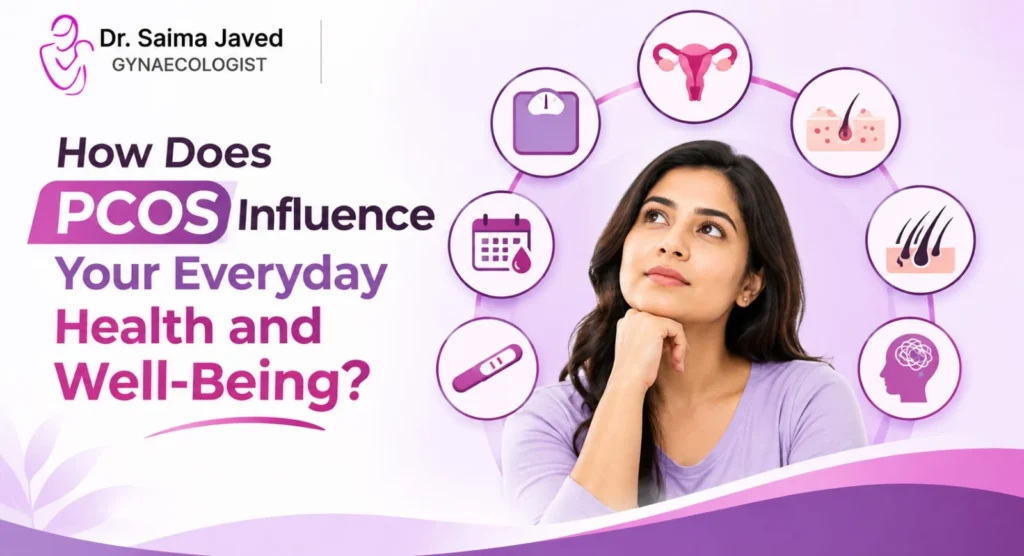
PCOS can affect more than your menstrual cycle. It may influence your skin, weight, mood, fertility and overall well-being.Recognising the warning signs early empowers you to make informed decisions about your health.. With timely medical guidance, lifestyle changes and suitable treatment, women can manage PCOS and improve their quality of life.
PCOS can make everyday life challenging through irregular periods, acne, unwanted hair growth and hormonal changes. A PCOS and PCOD Treatment Doctor in Kolkata, such as Dr Saima Javed, can help identify symptoms, assess hormonal health and create an individualised treatment plan. Early diagnosis and consistent care can support better menstrual health, metabolic well-being and reproductive health.
PCOS is a widespread hormonal and metabolic disorder that can affect women throughout their reproductive age.. It can influence how the ovaries function and how the body responds to insulin.
PCOS can lead to elevated androgen levels, disrupted ovulation and changes in menstrual cycles, although its symptoms and severity vary among individuals.
.
PCOS involves several hormonal and metabolic changes, including:
Importantly, not every woman with PCOS has ovarian cysts. The condition does not require cysts for diagnosis.
PCOS can affect women differently. Some experience noticeable physical changes, while others discover the condition during fertility or menstrual health assessments.
Common PCOS symptoms include:
1. Irregular or Missed Periods
Irregular periods are among the most common signs of PCOS. Hormonal changes can interfere with ovulation, causing delayed, infrequent or missed menstrual cycles.
2. Acne and Oily Skin
Higher androgen levels can increase oil production. Consequently, some women develop persistent acne, particularly around the chin, jawline and lower face.
3. Unwanted Facial and Body Hair
Excess androgen activity may cause unwanted hair growth on the chin, upper lip, chest, abdomen and other areas. Doctors call this condition hirsutism.
4. Weight Gain and Difficulty Losing Weight
Some women with PCOS experience weight gain, especially around the abdomen. Reduced insulin sensitivity can make it harder to maintain a healthy body weight.
5. Hair Thinning
PCOS-related hormonal changes can contribute to scalp hair thinning, particularly around the crown and front of the scalp.
6. Fertility Challenges
Irregular ovulation can make conception more difficult. Nevertheless, many women with PCOS conceive naturally or with appropriate fertility treatment.
PCOS can influence physical health, emotional well-being and everyday routines. Its effects may extend beyond menstrual problems.
| Area of daily life | Possible effects |
| Menstrual health | Irregular, delayed or missed periods |
| Skin health | Acne and oily skin |
| Physical appearance | Unwanted facial hair and hair thinning |
| Weight management | Weight gain and difficulty losing weight |
| Emotional health | Anxiety, low mood and reduced confidence |
| Reproductive health | Irregular ovulation and fertility difficulties |
| Metabolic health | Insulin resistance and increased diabetes risk |
PCOS can affect daily life by disrupting menstrual cycles, increasing acne and unwanted hair growth, affecting weight, changing mood and making ovulation irregular. Early medical care helps women manage these symptoms and reduce potential long-term health risks.
Doctors have not identified one exact cause of PCOS. However, several factors may contribute to its development.
Remember, PCOS is not caused simply by eating unhealthy food or having excess body weight. Women of different body types can develop this condition.
You should consider a medical consultation when menstrual or hormonal changes become persistent or unusual.
Seek advice if you experience:
A Best gynecologist in Kolkata for PCOS can evaluate your symptoms and recommend suitable investigations. Do not ignore prolonged menstrual irregularities, as untreated PCOS may increase the risk of endometrial problems. Check Gynecologist Review
PCOS diagnosis requires a detailed medical assessment. Doctors generally consider three major features.
In adults, doctors generally diagnose PCOS when at least two of these three features are present after excluding other possible causes.
Depending on your symptoms, your gynecologist may recommend:
| Investigation | Why doctors recommend it |
| Hormonal blood tests | Assess androgen and other hormone levels |
| Pelvic ultrasound | Examine ovarian appearance and reproductive organs |
| Blood glucose or HbA1c | Check blood sugar regulation |
| Lipid profile | Assess cholesterol and triglycerides |
| Thyroid tests | Exclude thyroid-related menstrual problems |
| Prolactin test | Identify possible hormonal causes of irregular periods |
Not every woman needs every test. Your doctor will select investigations according to your symptoms and medical history.
Although PCOS has no permanent cure, effective management can control symptoms and reduce associated health risks. Lady Gynecological Appointment Booking
1. Follow a Balanced Diet
Choose nutritious foods that support stable blood sugar levels.
2. Stay Physically Active
Consistent exercise helps improve metabolic function and the body’s response to insulin.
.
Consider walking, cycling, swimming, yoga or strength training. Choose activities that fit your fitness level and daily schedule.
3. Maintain Healthy Sleep Habits
Consistent sleep supports hormonal and metabolic health. Aim for a regular sleep schedule and sufficient rest.
4. Monitor Your Menstrual Cycle
Track your period dates, symptoms and changes in cycle length. This information can help your gynecologist understand your menstrual health.
5. Follow Medical Advice
Depending on your symptoms and health goals, your doctor may recommend hormonal medication, metabolic treatment or fertility support.
Avoid taking hormonal medicines or supplements without medical advice.
Managing PCOS requires an individual approach because every woman experiences different symptoms and health concerns.
Dr Saima Javed provides gynecological guidance for women experiencing hormonal imbalances, irregular periods and reproductive health concerns.
Consulting a Best Lady Gynecologist for PCOS in Kolkata can help you understand your condition and explore suitable treatment options.
A consultation can help you:
If you experience persistent PCOS symptoms, timely medical advice can help you make informed decisions about your health.
PCOS can affect menstrual health, appearance, metabolism and emotional well-being. However, early diagnosis and appropriate treatment can make a meaningful difference. Understanding your symptoms is the first step towards better health. Dr Saima Javed can guide women through PCOS evaluation and personalised care. With consistent medical support and healthy habits, you can manage symptoms and protect your long-term well-being. Best Lady Gynecologist in Ganesh Avenue you can search the address.
1. What is PCOS in simple words?
PCOS is a hormonal and metabolic condition that can affect ovulation, menstrual cycles, skin, weight and fertility during reproductive years.
2. Can PCOS affect daily life?
Yes. PCOS may cause irregular periods, acne, unwanted hair growth, weight changes, emotional difficulties and fertility concerns.
3. Is PCOS the same as PCOD?
The terms are often used interchangeably in everyday conversations. However, PCOS refers to Polycystic Ovary Syndrome, a hormonal and metabolic condition with specific diagnostic criteria.
4. Can women with PCOS become pregnant?
Yes. Many women with PCOS become pregnant naturally or with medical support. Treatment depends on ovulation, individual health and fertility goals.
5. Can PCOS cause irregular periods?
Yes. Hormonal changes can interfere with regular ovulation, resulting in delayed, infrequent or missed periods.
6. When should you consult a gynecologist for PCOS?
Consult a gynecologist if you experience persistent irregular peri