-
UNITED HEALTH CENTRE 2,ELLIOT ROAD, KOLKATA - 700016
UNITED HEALTH CENTRE 2,ELLIOT ROAD, KOLKATA - 700016
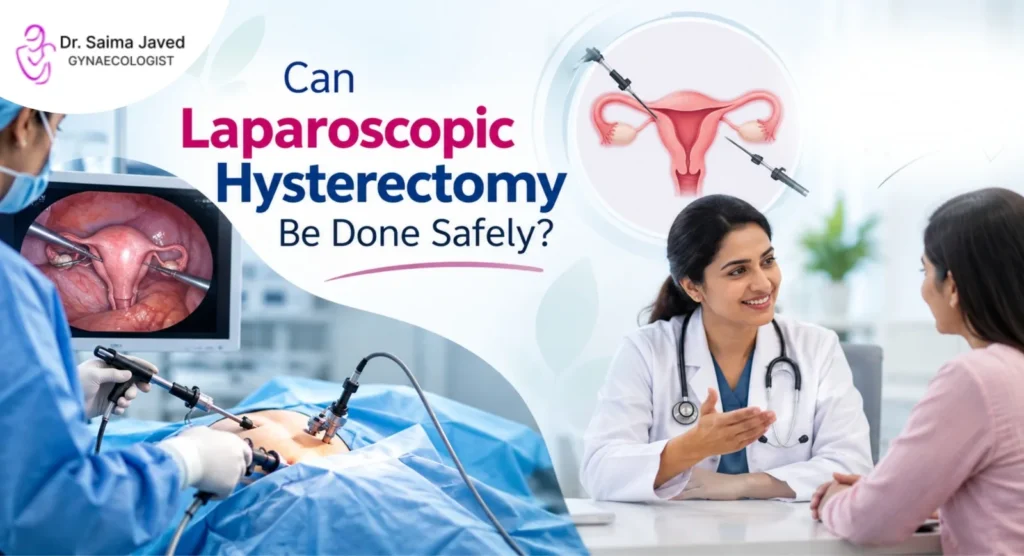
Laparoscopic hysterectomy is a keyhole procedure used to remove the uterus, sometimes with the cervix, tubes, or ovaries. Understanding the main steps + possible complications can help patients prepare informed questions for their gynecologist.
Laparoscopic hysterectomy is a minimally invasive gynecological surgery performed through small abdominal incisions using a camera and specialized instruments. A total hysterectomy generally removes the uterus and cervix, while the fallopian tubes and ovaries may or may not be removed depending on the patient’s condition and surgical plan learn from Best Laparoscopic Hysterectomy Surgeon in Kolkata.
Common reasons for considering hysterectomy may include:
The decision depends on the diagnosis, symptoms, age, reproductive plans, previous operations, overall health, and findings from examinations or imaging.
For patients searching Which specialist should I consult for laparoscopic hysterectomy?, a gynecologist with appropriate laparoscopic surgical expertise can assess whether this approach is suitable from Best Gynecolgist in Kolkata.
At a high level, the procedure generally involves:
The exact operative technique varies considerably between patients, so these steps should not be treated as a self-treatment or surgical instruction guide.
How are the ovaries managed during laparoscopic hysterectomy? The ovaries do not automatically have to be removed during every hysterectomy.
Depending on the patient’s age, diagnosis, ovarian health, cancer risk, symptoms, and surgical plan, the surgeon may:
If both ovaries are removed before natural menopause, ovarian hormone production falls abruptly and surgical menopause can occur. If ovaries remain, menopause may still occur earlier than it otherwise would have.
Therefore, ovarian management should be discussed carefully before surgery.
Laparoscopic hysterectomy is generally considered a minimally invasive approach, but it remains major surgery and complications can occur.
| Possible complication | What it may involve | Typical medical response |
| Bleeding | Blood loss during or after surgery | Monitoring, medication, transfusion or further surgery when necessary |
| Infection | Wound, urinary or pelvic infection | Assessment and appropriate antibiotics |
| Bladder injury | Accidental injury to the urinary bladder | Recognition, repair and urinary drainage when required |
| Ureter injury | Injury to the tubes carrying urine from kidneys to bladder | Investigation and specialist repair when necessary |
| Bowel injury | Injury to bowel structures | Surgical assessment and repair when required |
| Blood clots | DVT or pulmonary embolism | Prevention, assessment and anticoagulant treatment when appropriate |
| Anaesthetic complications | Reactions or other anaesthetic problems | Anaesthetic monitoring and emergency treatment |
| Conversion to open surgery | Keyhole surgery may need to become abdominal surgery | Further surgical access when required |
These risks are documented in patient information from NHS and specialist gynecological services.
Complication management depends on what happened, when it was identified, and how severe it is. A surgical team may use:
Some injuries can be identified and managed during the original operation, while others may become apparent later and require urgent assessment.
Patients should contact their healthcare team promptly if they develop concerning symptoms such as:
These symptoms can have different causes, so timely clinical assessment is important.
Recovery varies according to the operation performed and the patient’s general health. Early movement is commonly encouraged to support recovery and reduce blood-clot risk. Some patients can leave the hospital relatively quickly, while others require a longer stay. Check Patient’s Testimonial click: https://shorturl.at/Tw16O
Patients may experience:
UCLH notes that many women return to work in approximately 2–4 weeks, although strenuous activities may require longer recovery. Individual advice from the treating surgeon should take priority.
Consider a specialist consultation when persistent symptoms or a diagnosed gynecological condition may require surgical treatment.
A consultation can help clarify:
For patients specifically searching for a Best doctor for Laparoscopic Ovarian Cystectomy in Kolkata, it is important to distinguish ovarian cyst surgery from hysterectomy. They are different procedures, although both may be performed using minimally invasive laparoscopic techniques.
Before meeting a gynecologist, prepare a concise medical history and ask targeted questions.
Useful questions include:
For those looking to book an appointment with a laparoscopic hysterectomy surgeon, a detailed consultation can help establish an individualized treatment plan rather than relying solely on general online information.
Laparoscopic hysterectomy can provide a minimally invasive approach for selected gynecological conditions, but every operation requires individualized planning. Understanding the surgical stages, ovarian choices, possible complications, warning symptoms, and recovery expectations helps patients prepare meaningful questions. A qualified gynecologist can assess your diagnosis, explain alternatives, and develop a safe treatment plan tailored to your health, surgical needs, and reproductive considerations. Check lour map link click: https://maps.app.goo.gl/SamvGERQrA2spPez8
Is laparoscopic hysterectomy a major surgery?
Yes. Although it uses small incisions, hysterectomy remains a major gynecological operation and requires appropriate pre-operative assessment and postoperative care.
How long does laparoscopic hysterectomy recovery take?
Recovery varies. Some patients return to normal activities within several weeks, while strenuous activities may require additional time. Your surgeon should provide personalized restrictions.
Are the ovaries always removed during hysterectomy?
No. The ovaries may be preserved or removed depending on the patient’s diagnosis, age, ovarian condition, cancer risk and agreed surgical plan.
Can laparoscopic hysterectomy cause early menopause?
If both ovaries are removed, surgical menopause occurs because ovarian hormone production stops. Even when ovaries are retained, menopause may occur earlier in some patients.
What is the difference between laparoscopic hysterectomy + ovarian cystectomy?
Laparoscopic hysterectomy removes the uterus, with or without the cervix and other reproductive organs. Laparoscopic ovarian cystectomy generally removes a cyst while attempting to preserve healthy ovarian tissue when appropriate.
Which specialist should I consult for laparoscopic hysterectomy?
A gynecologist experienced in laparoscopic gynecological surgery can evaluate your condition, explain treatment choices, and determine whether laparoscopic hysterectomy is appropriate.