Why Are More Women Facing Infertility in 2026?

Home > Blog >  Why Are More Women Facing Infertility in 2026?

What Is the Cause for Understanding the Causes Behind Infertility in Women in India in 2026?

What Is the Cause for Understanding the Causes Behind Infertility in Women in India in 2026?

By SaimaJaved

|  February 11, 2026

Causes of Female Infertility in India: Medical, Lifestyle & Hormonal Factors ExplainedInfertility in women is rising in India due to delayed pregnancies, hormonal disorders, stress, and metabolic conditions. Backed by evidence-based care, Dr. Saima Javed—recognized among the best lady gynecologists in Kolkata and Infertility Management experts—focuses on accurate diagnosis, ethical treatment, and personalized reproductive planning aligned with modern clinical guidelines and patient-centered outcomes.

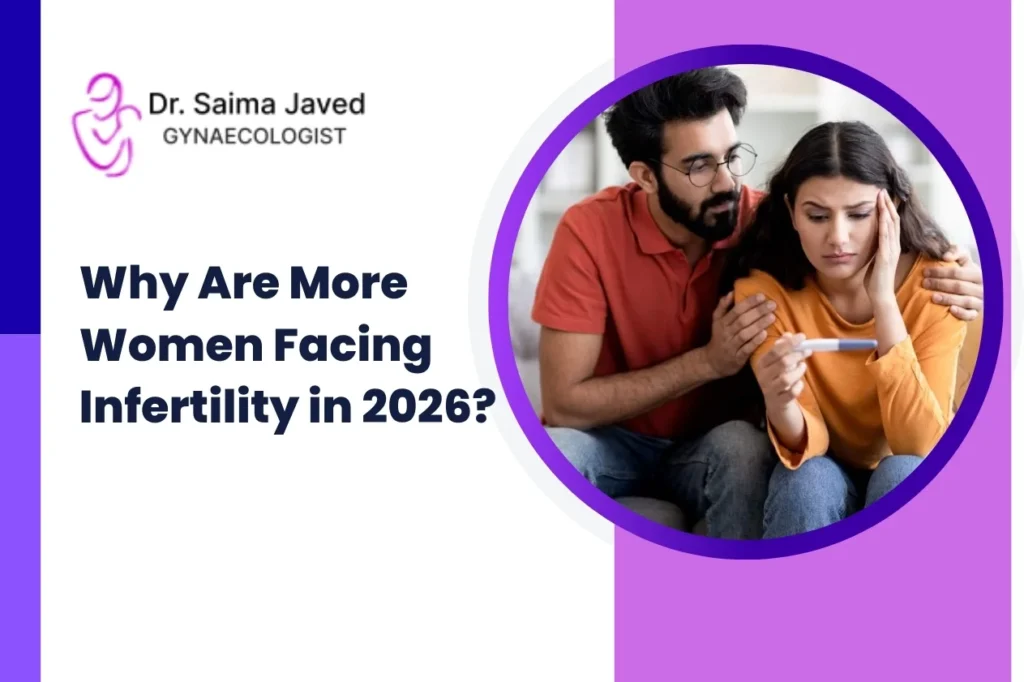
Female infertility refers to the inability to conceive after 12 months of regular unprotected intercourse. In 2026, multiple biological, environmental, and lifestyle factors contribute to this growing concern in India.

Consulting the best lady gynecologist in Kolkata and Infertility Management specialist ensures timely evaluation, hormone profiling, and customized treatment strategies.

Current Infertility Scenario in India (2026)

  • Urban infertility rates rising due to delayed marriage
  • PCOS affecting 1 in 5 reproductive-age women
  • Increasing thyroid and metabolic disorders
  • Stress-related ovulatory dysfunction
  • Environmental toxins impacting egg quality

Major Medical Causes of Female Infertility

  1. Ovulation Disorders

 Polycystic Ovary Syndrome (PCOS)

  • Irregular periods
  • Hormonal imbalance
  • Insulin resistance

 Thyroid Disorders

  • Hypothyroidism disrupts ovulation
  • Hyperthyroidism affects cycle regularity

 Premature Ovarian Insufficiency (POI)

  • Reduced ovarian reserve before age 40
  • Irregular or absent periods

2. Tubal & Structural Causes

 Blocked Fallopian Tubes

  • Pelvic infections
  • Previous surgeries
  • Tuberculosis (still relevant in India)

 Uterine Abnormalities

  • Fibroids
  • Polyps
  • Congenital uterine defects

3. Endometriosis

  • Uterine tissue outside uterus
  • Severe menstrual pain
  • Scar tissue formation
  • Reduced fertility potential

Lifestyle-Related Factors in 2026

 Chronic Stress

  • Elevated cortisol disrupts ovulation
  • Affects hormonal balance

 Poor Nutrition

  • Iron deficiency
  • Vitamin D deficiency
  • High processed food intake

 Obesity & Insulin Resistance

  • Linked to PCOS
  • Impaired egg development

 Smoking & Pollution

  • Reduces ovarian reserve
  • Affects egg quality

Quick Causes of Female Infertility

  • PCOS and hormonal imbalance
  • Blocked fallopian tubes
  • Endometriosis
  • Thyroid disorders
  • Obesity and lifestyle stress
  • Advanced maternal age

Diagnostic Evaluation Process

TestPurposeWhen Recommended
Hormone Profile (FSH, LH, AMH)Ovarian reserve & ovulationEarly evaluation
Ultrasound ScanOvarian & uterine structureCycle irregularity
HSG TestTube blockage detectionAfter 6–12 months trying
Thyroid Function TestHormonal balanceIrregular cycles
LaparoscopyEndometriosis diagnosisSevere pelvic pain

Early testing improves treatment success rates.

best lady gynecologist in Kolkata, fertility
Why Are More Women Facing Infertility in 2026?

Age & Fertility in 2026

  • Fertility declines after age 30
  • Sharp decline after age 35
  • Egg quality reduces with age
  • Increased miscarriage risk

Delaying pregnancy due to career or personal goals is common in urban India, contributing significantly to infertility statistics.

Environmental & Emerging Causes

 Air Pollution

  • Impacts reproductive hormones
  • Linked to reduced ovarian reserve

 Endocrine Disruptors

  • Plastics (BPA exposure)
  • Chemical cosmetics
  • Processed food additives

 Sedentary Lifestyle

  • Reduced physical activity
  • Increased metabolic syndrome risk

Treatment Options in Infertility Management

 Ovulation Induction

  • Oral medications
  • Hormonal injections

 IUI (Intrauterine Insemination)

  • Mild male or ovulatory factor

 IVF (In Vitro Fertilization)

  • Severe tubal factor
  • Advanced maternal age

 Lifestyle Correction

  • Weight management
  • Nutritional therapy
  • Stress reduction

Seeking care from the best lady gynecologist in Kolkata and Infertility Management expert ensures personalized treatment plans based on clinical evidence.

Preventive Fertility Care Checklist

  • Annual gynecological check-up
  • Maintain healthy BMI
  • Manage thyroid levels
  • Avoid smoking and toxins
  • Monitor menstrual cycles
  • Plan pregnancy before 35 if possible
FactorUrbanRural
Delayed MarriageHighModerate
PCOS PrevalenceHighRising
AwarenessBetter accessLimited access
Lifestyle StressHighModerate
Access to IVFEasily availableLimited centers

Emotional Impact of Infertility

  • Anxiety and depression
  • Social stigma
  • Relationship stress
  • Reduced self-esteem

Holistic infertility care includes psychological counseling and partner support.

Final Takeaway

Understanding the causes behind infertility in women in India in 2026 requires awareness of medical, hormonal, environmental, and lifestyle factors. Early diagnosis, evidence-based treatment, and preventive reproductive planning significantly improve outcomes. With expert guidance, women can address fertility challenges confidently and take informed steps toward parenthood. Learn from Gynecologist in Bowbazar.

Frequently Asked Questions 

Q1: What is the main cause of infertility in women in India in 2026?

PCOS, hormonal imbalance, delayed pregnancy, and lifestyle-related metabolic disorders are leading causes.

Q2: Can stress cause infertility?

Yes, chronic stress disrupts hormonal balance and ovulation.

Q3: At what age does female fertility decline?

Fertility begins declining after 30 and decreases significantly after 35.

Q4: Is PCOS curable?

PCOS is manageable with lifestyle changes, medication, and fertility treatment.

Q5: When should I consult a fertility specialist?

If you are under 35 and unable to conceive after 12 months, or over 35 and trying for 6 months.
Need to see a gynaecologist?

We’ve made it simple for you to schedule an appointment right
away via Whatsapp.