-
UNITED HEALTH CENTRE 2,ELLIOT ROAD, KOLKATA - 700016
UNITED HEALTH CENTRE 2,ELLIOT ROAD, KOLKATA - 700016

HPV vaccination is a vital step in preventing certain cancers and infections. Learn about its importance, timing, and guidance from a reputed gynecologist.
Human Papillomavirus (HPV) is one of the most common sexually transmitted infections worldwide. While many HPV infections resolve naturally, certain high-risk strains can cause cervical cancer, genital warts, and other serious health issues.
The HPV vaccine is designed to protect against these high-risk strains before exposure, making it an important preventive measure for both women and men.
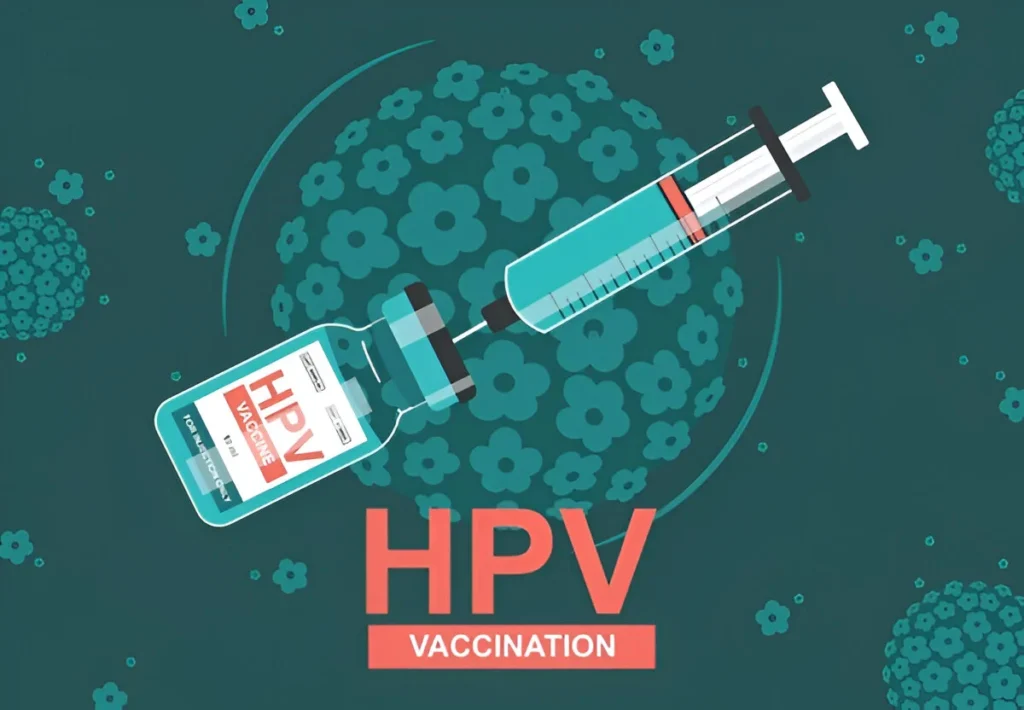
HPV vaccination is a preventive immunization that trains the body’s immune system to recognize and fight HPV strains most commonly linked to cancer and genital warts.
Key points:
In India, cervical cancer is the second most common cancer in women. According to WHO, over 77,000 women die annually from cervical cancer in the country, and HPV is a leading cause.
By increasing awareness and access to HPV vaccination, we can drastically reduce this burden.
Benefits include:
The recommended schedule depends on your age and health history:
HPV vaccination is available at:
Tip: Always ensure the vaccine is WHO-approved and administered by a qualified healthcare provider.
Checklist:
If you:
…then expert guidance is essential to ensure safety and effectiveness.
Is it safe?
Yes — HPV vaccines have undergone rigorous safety testing and have been used globally for over a decade.
Does it encourage risky behavior?
No — studies show that receiving the vaccine does not increase sexual activity.
Will I still need regular screening?
Yes — HPV vaccination does not eliminate the need for Pap smears or other screening tests.
Like any vaccine, mild side effects may occur:
These are temporary and usually resolve within 1–2 days.
Choosing the right doctor ensures you get accurate information, the correct dosage, and proper follow-up care. Many women prefer consulting an experienced lady gynecologist who understands female health concerns in depth and can provide a more comfortable consultation environment.
In Kolkata, experienced specialists like Dr. Saima Javed offer expert advice, safe administration, and guidance on long-term women’s health care — ensuring that patients receive not just a vaccine, but also holistic care.

1. Can men get the HPV vaccine in India?
Yes — it is recommended for boys and men to prevent certain cancers and genital warts.
2. Is it too late to get vaccinated after becoming sexually active?
No — while it works best before exposure, adults can still benefit from protection against strains they haven’t encountered.
3. Is the HPV vaccine part of the government immunization schedule in India?
Not nationwide yet, but some states have introduced it for schoolgirls.
4. Do I need a booster dose later in life?
Current evidence suggests protection lasts for many years without the need for boosters.
5. Can I take the vaccine if I am pregnant?
It is not recommended during pregnancy, but can be taken after delivery.
HPV vaccination is more than just a preventive shot — it’s a proactive step toward protecting yourself from certain cancers and infections. Understanding when to get vaccinated, who should receive it, and where to find reliable medical guidance can make a significant difference in your long-term health. While awareness is growing in India, many still miss out due to lack of information or misconceptions. By consulting a trusted, qualified gynecologist, you ensure that your vaccination journey is safe, effective, and part of a broader approach to women’s health. Prevention is always better than cure, and in the case of HPV, timely action could be life-saving.