-
UNITED HEALTH CENTRE 2,ELLIOT ROAD, KOLKATA - 700016
UNITED HEALTH CENTRE 2,ELLIOT ROAD, KOLKATA - 700016
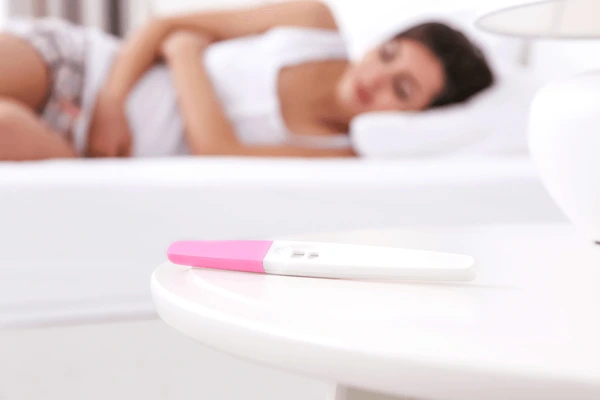
Wondering about the first signs of pregnancy? Learn how your body indicates early conception and when to consult a reputed gynecologist for guidance.
Pregnancy often begins quietly. Many women don’t realize they’ve conceived until a few weeks later, when subtle changes start appearing. Recognizing these early clues can help you care for your health, make lifestyle adjustments, and seek timely medical support.
Every woman’s experience is unique — while some may notice immediate physical and emotional shifts, others may experience only mild or delayed symptoms. Understanding the first signs of pregnancy can help you interpret what your body is trying to tell you.
Knowing early whether you’re pregnant allows you to:
Being informed is not only empowering but also essential for your well-being and your baby’s development.

While not all women experience the same symptoms, several early indicators can signal conception.
A missed period is often the first and most obvious sign. However, stress, hormonal imbalances, or changes in weight can also cause a delay. If your cycle is usually regular and you miss a period, it’s wise to take a pregnancy test.
One of the early first signs of pregnancy is tenderness in the breasts. They may feel fuller, heavier, or slightly sore due to hormonal changes, especially increased levels of progesterone and estrogen.
You might notice unusual tiredness or drowsiness, even after a full night’s sleep. This occurs because your body starts producing more progesterone, which supports the uterine lining but can also make you feel sleepy.
Often starting between the 4th and 6th week, nausea is a classic symptom. Despite its name, “morning sickness” can occur at any time of day. Maintaining small, frequent meals and staying hydrated can help manage it.
As the uterus expands slightly and hormonal levels increase, the kidneys work harder, leading to more frequent trips to the bathroom. This typically becomes noticeable within the first few weeks.
You may develop sudden likes or dislikes for certain foods. These changes are driven by hormonal fluctuations affecting taste and smell sensitivity.
Emotional highs and lows can be among the first signs of pregnancy, triggered by hormonal changes that impact neurotransmitters in the brain. Feeling more emotional than usual is entirely normal.
Some women notice light bleeding about 10–14 days after conception. This occurs when the fertilized egg attaches itself to the uterine wall. It’s usually lighter in color and shorter in duration than a normal period.
Mild abdominal cramping may accompany implantation bleeding or occur due to the uterus preparing for pregnancy. These cramps are typically less intense than menstrual cramps.
If you track your temperature, you may notice it remains elevated for more than two weeks after ovulation — a subtle but early clue.
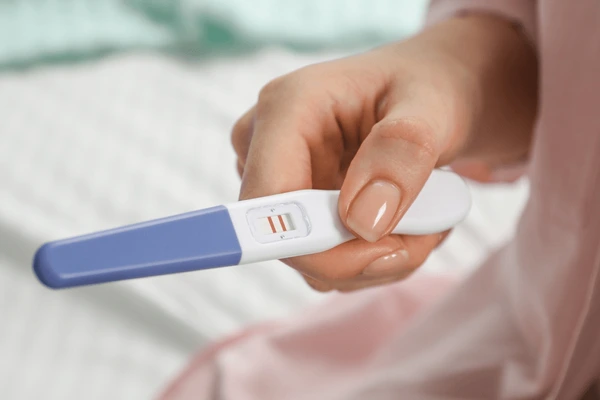
If you suspect pregnancy, it’s ideal to take a test after a missed period. Modern home tests are highly accurate, detecting the hormone hCG (human chorionic gonadotropin) in urine.
However, for confirmation, a clinical test or blood test is more reliable and can detect pregnancy even before a missed period.
Not all women experience identical signs, and several factors influence symptom intensity, such as:
It’s important to listen to your body and seek professional guidance rather than relying solely on online information or assumptions.
Once you suspect pregnancy or receive confirmation, you can take small but meaningful steps for a healthy start:
Beyond physical symptoms, pregnancy affects emotional health. Anxiety, excitement, and even uncertainty are natural responses. Sharing your feelings with a trusted friend or partner helps. If emotional stress feels overwhelming, professional counseling or support groups can make a difference.
Many early pregnancy symptoms resemble premenstrual syndrome (PMS).
Here’s how to differentiate them:
| Symptom | PMS | Early Pregnancy |
|---|---|---|
| Breast Tenderness | Ends with period | Persists longer |
| Cramping | Before period | Mild, continuous |
| Mood Swings | Short-lived | More frequent |
| Fatigue | Before menstruation | Lasts for weeks |
| Spotting | Rare | Implantation bleeding possible |
Recognizing these differences helps you interpret changes more accurately.
While self-diagnosis is tempting, consulting a healthcare professional ensures accuracy and reassurance. Specialists evaluate symptoms, perform necessary tests, and provide advice tailored to your specific needs.
If you are experiencing multiple first signs of pregnancy and live in Kolkata, consider seeking expert advice from an experienced and compassionate healthcare professional — ideally, the best lady gynecologist in Kolkata — who can guide you safely through this new chapter of life.

Q1. Can pregnancy occur without noticeable symptoms?
Yes, some women experience very mild or no symptoms in the initial weeks. A missed period or a positive test often becomes the first indicator.
Q2. When do pregnancy symptoms usually start?
Most early symptoms begin around two to three weeks after conception, although this varies for every individual.
Q3. Are all early signs reliable indicators of pregnancy?
Not necessarily. Many symptoms overlap with PMS or other hormonal conditions. Only a medical test can confirm pregnancy.
Q4. What should I do if I get a positive test result?
Contact a qualified gynecologist promptly to begin prenatal care and lifestyle adjustments for a healthy pregnancy.
Q5. How can I manage nausea naturally during early pregnancy?
Try eating small meals, staying hydrated, and avoiding strong odors or greasy foods. Ginger tea and fresh fruits often help.
Pregnancy is more than a biological event; it’s a profound journey of transformation. The first signs of pregnancy are your body’s gentle whispers — guiding you to slow down, nurture yourself, and prepare for new beginnings.
Every heartbeat and symptom is part of a beautiful story unfolding within you. Stay observant, stay gentle with yourself, and trust that with timely care and professional support, this journey will blossom with health, strength, and joy.