-
UNITED HEALTH CENTRE 2,ELLIOT ROAD, KOLKATA - 700016
UNITED HEALTH CENTRE 2,ELLIOT ROAD, KOLKATA - 700016
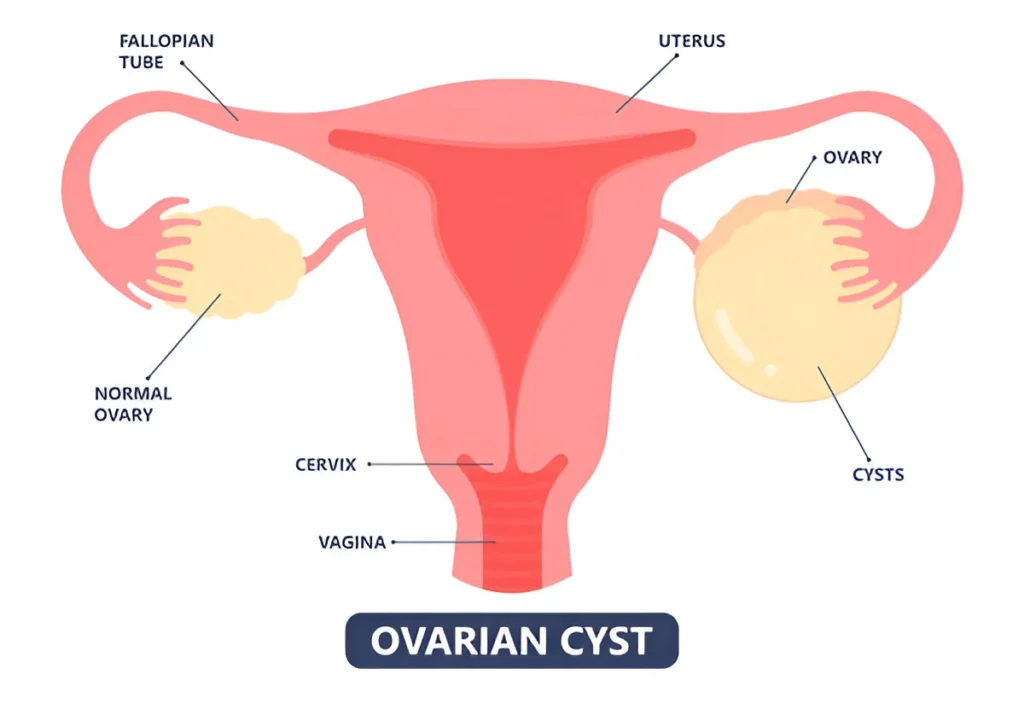
Discover the warning signs of ovarian cysts and when to seek help from a reputed gynecologist. Learn causes, risks, and treatment options.
Women’s health is often surrounded by silence, especially when it comes to reproductive issues. Among these, ovarian cysts are one of the most common conditions faced by women of reproductive age. While many cysts are harmless and go unnoticed, some can cause discomfort and lead to serious complications if ignored. Recognizing the early signs can make all the difference in timely diagnosis and effective treatment.
This article explores the warning signs of ovarian cysts, why they form, when to consult a gynecologist, and the importance of trusted care.
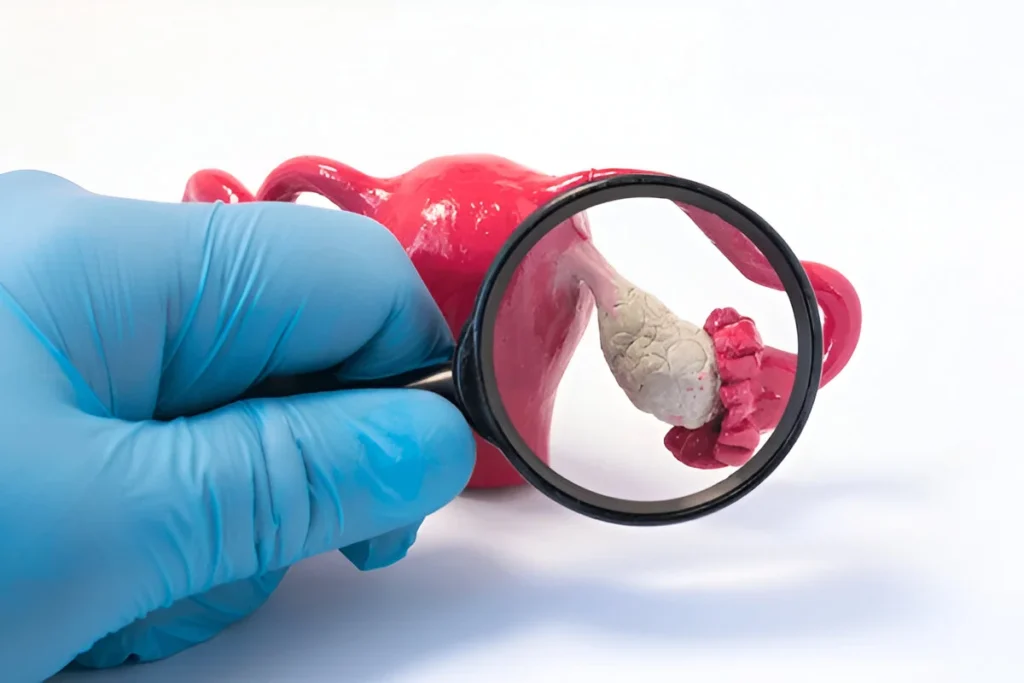
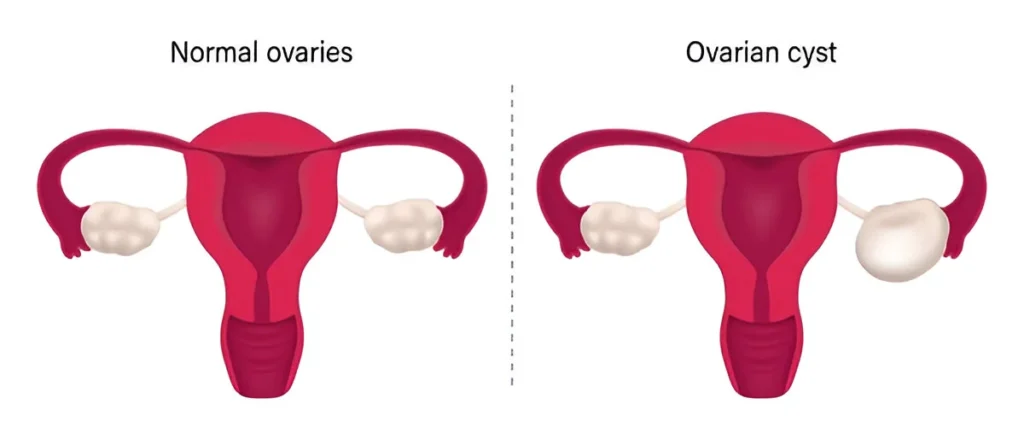
An ovarian cyst is a fluid-filled sac that develops on or inside an ovary. They are often linked to the menstrual cycle and may develop naturally during ovulation. In most cases, they are small, harmless, and disappear on their own. However, larger or persistent cysts can cause symptoms that require medical attention.
While many women may not experience symptoms, the following are some of the most notable warning signs:
Emergency Signs: Severe abdominal pain, faintness, rapid breathing, or sudden heavy bleeding could indicate a ruptured cyst or torsion. These situations require immediate medical attention.
Several factors can increase the likelihood of developing ovarian cysts:
Ignoring symptoms can lead to complications such as:
This is why timely consultation with the best lady gynecologist in Kolkata can be life-changing, ensuring women receive expert evaluation and treatment.
Gynecologists use several diagnostic tools to identify ovarian cysts:
While not all cysts are preventable, adopting healthy habits can reduce risks and improve overall reproductive health:

Q1. Are ovarian cysts always dangerous?
Not always. Many are functional cysts that disappear naturally, but some require medical attention.
Q2. Can ovarian cysts affect fertility?
Yes, especially conditions like PCOS or endometriomas. Early diagnosis is key.
Q3. How can I know if my pain is from a cyst or normal menstrual cramps?
Cyst-related pain is often one-sided, more persistent, and may worsen with activity.
Q4. Do cysts always require surgery?
No. Many cases can be managed with observation and medication, but complex cysts may need surgery.
Q5. How often should I consult a gynecologist for reproductive health check-ups?
At least once a year, or immediately if you notice unusual symptoms.
Ovarian cysts are common, but ignoring their warning signs can pose risks to a woman’s reproductive and overall health. Understanding symptoms like pelvic pain, irregular cycles, or abdominal bloating can help women seek timely medical support.
When symptoms persist, consulting an experienced specialist ensures expert diagnosis, compassionate care, and personalized treatment. Prioritizing reproductive health today safeguards a healthier tomorrow.