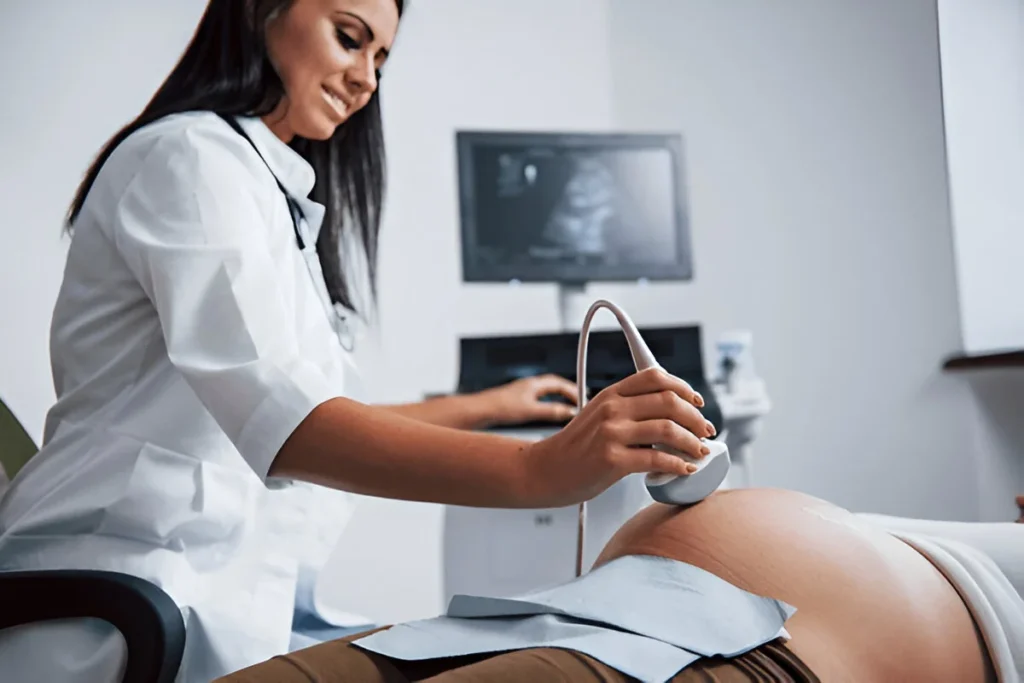
Uterine fibroids are non-cancerous growths that develop in or around the uterus. They are quite common among women of reproductive age and often go unnoticed if they are small and symptomless. However, in rare cases, complications can occur — one of them being the bursting (rupture) of a fibroid. While extremely uncommon, this can lead to serious consequences that require immediate medical attention.
As the best lady gynecologist in Kolkata, I have treated numerous patients with fibroids, and understanding the risks is vital for timely intervention.
Understanding Uterine Fibroids
Uterine fibroids are made up of muscle and fibrous tissue. They can vary in size, from as small as a pea to as large as a melon. Most fibroids grow slowly and cause no harm, but certain factors like rapid growth, degeneration, or injury can make them vulnerable to rupture.
Common causes of uterine fibroid rupture include:
Degeneration due to lack of blood supply (especially during pregnancy)
Sudden increase in blood pressure inside the fibroid
Trauma to the abdomen
Infection in the fibroid tissue
What Happens When a Uterine Fibroid Bursts?
When a uterine fibroid bursts, it can cause internal bleeding and severe abdominal distress. This is a medical emergency. Here’s what typically happens:
Sudden, Sharp Abdominal Pain The pain is often intense, localized in the lower abdomen, and may radiate to the back or thighs.
Heavy Vaginal Bleeding A burst fibroid can lead to sudden heavy bleeding, sometimes accompanied by blood clots.
Signs of Internal Bleeding
Dizziness or fainting
Rapid heartbeat
Low blood pressure
Weakness and confusion
Fever and Infection If the rupture is caused by infection, symptoms like fever, chills, and pelvic tenderness may appear.
Possible Complications of a Fibroid Rupture
If not treated immediately, a burst uterine fibroid can lead to:
Severe blood loss (hemorrhage)
Shock due to low blood pressure
Sepsis (life-threatening infection)
Damage to the surrounding pelvic organs
As the best lady gynecologist in Kolkata, I always advise women with known large fibroids or those with sudden, unexplained pelvic pain to seek medical attention without delay.
How Is It Diagnosed and Treated?
When a patient presents with symptoms of a possible fibroid rupture, immediate diagnostic steps are taken:
Pelvic ultrasound to detect the source of bleeding
Blood tests to check hemoglobin levels and infection markers
Treatment options include:
Emergency surgery to remove the fibroid or repair bleeding
Blood transfusions if significant blood loss has occurred
Antibiotics to prevent or treat infection
Hysterectomy (in severe cases) when other treatments fail and the patient’s reproductive plans are complete
What are the signs of a uterine fibroid burst you should watch for?
If you suspect a uterine fibroid may have burst, there are several signs you should watch for:
Sudden, severe abdominal or pelvic pain: This pain is often sharp and can appear suddenly, rather than gradually increasing like typical menstrual cramps.
Heavy or abnormal vaginal bleeding: Although not always present, significant vaginal bleeding between periods or during menstruation can be a sign, especially if it starts abruptly.
Low-grade fever: A burst or degenerating fibroid may prompt a mild increase in body temperature.
Acute swelling in the abdomen or pelvis: Swelling may occur due to internal bleeding or tissue reaction.
Signs of shock in severe cases: These include rapid heartbeat, dizziness, fainting, or weakness, typically caused by serious blood loss.
High white blood cell count: Often discovered during medical testing, this can indicate tissue breakdown or infection due to the rupture.
If you experience any combination of these symptoms, it is important to seek care from the best lady gynecologist in Kolkata or your trusted gynecologist immediately, as prompt diagnosis and treatment are vital in severe cases.
While it’s impossible to predict every rupture, regular monitoring and timely treatment can reduce the risk. Here’s what I recommend:
Routine gynecological check-ups
Prompt treatment if fibroids are causing heavy bleeding, rapid growth, or persistent pain
Maintaining a healthy lifestyle to balance hormones and reduce the chances of fibroid growth chances
How does a burst fibroid affect pregnancy and fertility?
A burst uterine fibroid, though rare, can have serious implications for both pregnancy and fertility.
Effects on Pregnancy
Acute complications: If a uterine fibroid bursts during pregnancy, it can lead to severe pain and internal bleeding, which might threaten the health of both mother and fetus. Emergency medical attention is crucial in these cases.
Pregnancy risks: Even without bursting, uterine fibroids during pregnancy increase risks such as placental abruption, preterm labor, malpresentation (breech), and fetal growth restriction due to reduced space in the uterus.
Potential for miscarriage: Women with fibroids, especially if they burst or degenerate, have a higher risk of pregnancy loss and miscarriage.
Cesarean delivery likelihood: The presence of fibroids raises the risk of requiring a cesarean section.
Effects on Fertility
Impaired implantation: If a burst or degenerating fibroid damages the uterine lining, it can interfere with embryo implantation, decreasing fertility.
Tubal blockage: Fibroids can alter the uterus’s shape or block fallopian tubes, preventing sperm from reaching the egg, which can be exacerbated by tissue breakdown following a rupture.
Inflammation and scarring: The aftermath of a burst fibroid, especially if infection develops, may lead to scarring in the uterus, further impacting fertility potential.
What Should You Do?
If you suspect a uterine fibroid has burst—or if you have fibroids and are pregnant or planning pregnancy—it is vital to consult the best lady gynecologist in Kolkata or your trusted gynecologist. Prompt evaluation and management can improve both pregnancy outcomes and fertility prospects.
Key Takeaway
A burst fibroid can cause significant harm during pregnancy, including life-threatening bleeding, compromised fetal health, and increased miscarriage risk, while also potentially affecting future fertility through uterine damage or blockage. Monitoring and treating fibroids early, especially under expert gynecological care, is essential for women of reproductive age.
How is a burst fibroid diagnosed and treated in pregnant women?
In pregnant women, diagnosing and treating a burst uterine fibroid involves careful consideration of both maternal and fetal safety.
Diagnosis of a Burst Fibroid in Pregnancy
Ultrasound: It is the primary imaging method used to evaluate fibroids during pregnancy. It helps in identifying fibroids, their size, location, and any signs of degeneration or rupture.
Magnetic Resonance Imaging (MRI): If ultrasound results are inconclusive or more detail is needed, MRI can be used safely during pregnancy. MRI can show specific changes related to fibroid rupture, such as high-intensity signals indicating bleeding or tissue damage.
Clinical Symptoms: Diagnosis is also based on acute symptoms such as sudden, severe abdominal or pelvic pain, heavy vaginal bleeding, fever, and signs of internal bleeding or shock.
Treatment of a Burst Fibroid in Pregnancy
Conservative Management: Most fibroid-related complications, including rupture, are initially managed conservatively due to the risks surgery poses to the fetus.
Bed rest and hydration
Pain management with mild analgesics (avoiding certain NSAIDs, especially in the third trimester)
Close monitoring of the mother and fetus for signs of worsening condition
Surgical Intervention (Myomectomy): Surgery to remove fibroids during pregnancy is rare and usually avoided, but may be performed in specific cases such as:
Intractable pain unresponsive to conservative treatment
Large or rapidly growing fibroids causing complications
Fibroids causing obstruction in the birth canal or other obstetric complications
Surgical intervention is most often considered in the second trimester when safer for the fetus.
Emergency Care: In cases of severe bleeding or hemoperitoneum from fibroid rupture, emergency treatment, including blood transfusions and possibly early delivery, may be required.
What treatment options are available for a burst fibroid in pregnant women?
Treatment options for a burst uterine fibroid in pregnant women primarily focus on balancing the health and safety of both mother and fetus. Here’s a detailed overview:
Conservative Management
Bed rest and hydration: To help manage pain and stabilize the condition.
Pain management: Mild analgesics are used carefully; NSAIDs are generally avoided in the third trimester due to fetal risks. Narcotic analgesics or epidural analgesia may be used in severe cases.
Close monitoring: Continuous medical supervision of mother and fetus is critical to detect any worsening condition.
Surgical Intervention (Myomectomy)
Surgery to remove fibroids during pregnancy is rare but can be necessary in specific situations:
Intractable pain unresponsive to conservative treatment.
Large or rapidly growing fibroids are causing complications.
Fibroids causing obstruction or other obstetric complications.
Myomectomy during pregnancy is usually considered safer in the second trimester.
Surgery carries risks, such as bleeding, and may increase the likelihood of cesarean delivery.
Emergency Care
In cases of severe bleeding (hemoperitoneum) due to fibroid rupture:
Emergency interventions, including blood transfusions, may be needed.
Early delivery might be considered if maternal or fetal health is at risk.
In rare cases, a hysterectomy might be necessary if bleeding is uncontrollable.
Specialized Procedures and Postpartum Management
Uterine artery embolization and intrauterine balloon tamponade are options for managing severe bleeding postpartum, but are generally avoided during pregnancy.
Multidisciplinary care involving gynecologists, anesthesiologists, and pediatricians is essential in severe cases.
What are the risks of surgical intervention for a burst fibroid during pregnancy?
Surgical intervention for a burst fibroid during pregnancy carries several significant risks, which must be carefully weighed against the potential benefits. Some of the key risks are:
Excessive bleeding: Surgery on the uterus during pregnancy can cause heavy bleeding due to the increased blood flow to the pregnant uterus and fibroids. This may necessitate blood transfusions or emergency measures.
Preterm labor and early delivery: Surgical intervention can trigger uterine contractions or irritability, increasing the risk of preterm labor and delivery, which may pose risks to fetal health.
Uterine rupture: There is a risk that the uterine wall could rupture at the site of surgical incision during pregnancy or labor, jeopardizing both maternal and fetal safety. Although the absolute risk remains low (around 0.5% to 1% after myomectomy), it is a serious concern.
Infection: Surgery and rupture of fibroids may increase the chances of infection, which can complicate pregnancy outcomes.
Impact on fetal health: Surgery during pregnancy entails risks to the fetus, including fetal distress or loss, especially if emergency surgery or early delivery is needed.
Increased likelihood of cesarean section: Women who undergo myomectomy or uterine surgery during pregnancy have a higher chance of requiring cesarean delivery.
Overall, surgery during pregnancy for a burst fibroid is rare and reserved for severe and unmanageable cases such as uncontrollable pain, obstruction, or life-threatening bleeding. Conservative management is preferred whenever possible to minimize these risks. When surgery is necessary, it is often performed in the second trimester and requires close monitoring by expert obstetric and gynecological teams to optimize outcomes for both mother and baby.
What complications are associated with fibroid excision in pregnant women?
The complications associated with fibroid excision (myomectomy) in pregnant women include several serious risks that need to be carefully considered due to the delicate balance of maternal and fetal health:
Excessive bleeding: Surgical removal of fibroids during pregnancy can cause heavy bleeding as the uterus is highly vascular. This may require blood transfusions or emergency interventions.
Preterm labor and early delivery: Surgery can trigger uterine contractions or irritation, increasing the risk of preterm labor and delivery, which can pose risks to the fetus.
Uterine rupture: There is a risk of uterine rupture at the site of surgical incision either during pregnancy or labor, which is a serious complication potentially jeopardizing both mother and baby.
Miscarriage: Surgical intervention itself may increase the risk of miscarriage, especially if performed during early pregnancy.
Infection: The procedure and subsequent healing may increase the risk of infection, complicating pregnancy outcomes.
Increased likelihood of cesarean section: Women undergoing fibroid excision during pregnancy have a higher chance of requiring cesarean delivery.
Impact on fetal health: Surgery during pregnancy carries potential risks of fetal distress or loss, especially if an early delivery or emergency surgery becomes necessary.
Potential obstetric complications: Fibroids and their removal during pregnancy can lead to placental problems, including placental abruption and placenta previa, which increase the severity of pregnancy risks.
Final Thoughts
A burst uterine fibroid is rare but dangerous. Understanding the symptoms and seeking emergency medical care can save lives. If you have been diagnosed with uterine fibroids, regular monitoring and early treatment from an experienced specialist is the safest approach.
As the best lady gynecologist in Kolkata, I, Dr. Saima Javed, ensure my patients receive accurate diagnosis, safe treatment, and compassionate care to manage fibroids and prevent serious complications. Your health should never be compromised — stay informed, get checked, and take action early.
Need to see a gynaecologist?
We’ve made it simple for you to schedule an appointment right away via Whatsapp.