-
UNITED HEALTH CENTRE 2,ELLIOT ROAD, KOLKATA - 700016
UNITED HEALTH CENTRE 2,ELLIOT ROAD, KOLKATA - 700016
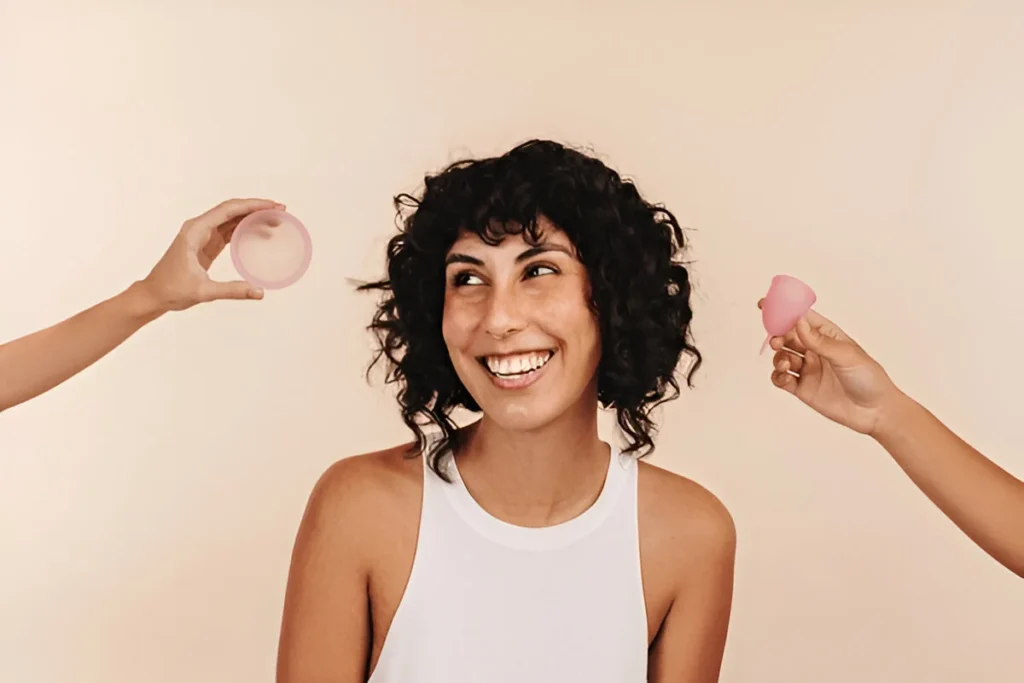
Discover sustainable options for periods and their benefits for health and the planet. Expert insights from a reputed gynecologist.
Menstruation is a natural part of life, yet the products traditionally used for managing periods often contribute to significant environmental waste. With growing awareness of eco-friendly lifestyles, many women are exploring sustainable alternatives that are not only safer for the planet but also beneficial for personal health. This article takes a closer look at the most popular sustainable options for periods, how they work, and the benefits they bring.
On average, a woman uses thousands of disposable pads or tampons over her lifetime. Most of these products contain plastic components that can take hundreds of years to decompose. By shifting towards eco-conscious alternatives, individuals contribute to reducing landfill waste, lowering their carbon footprint, and protecting their own health from unnecessary chemicals.
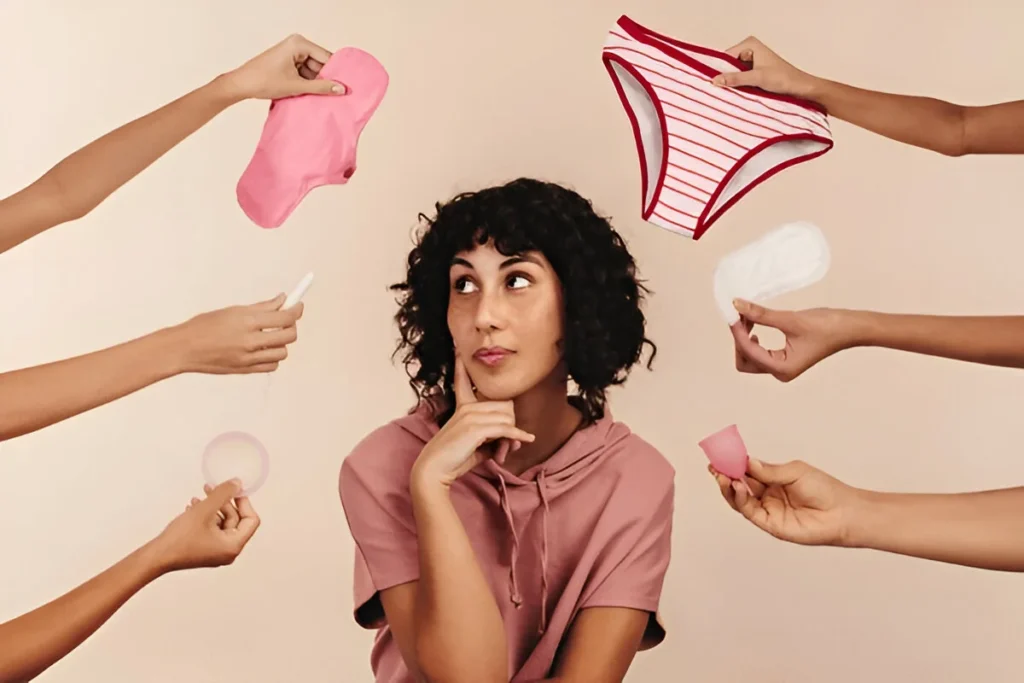
A menstrual cup is a small, flexible cup made of medical-grade silicone. Instead of absorbing blood like tampons or pads, it collects it.
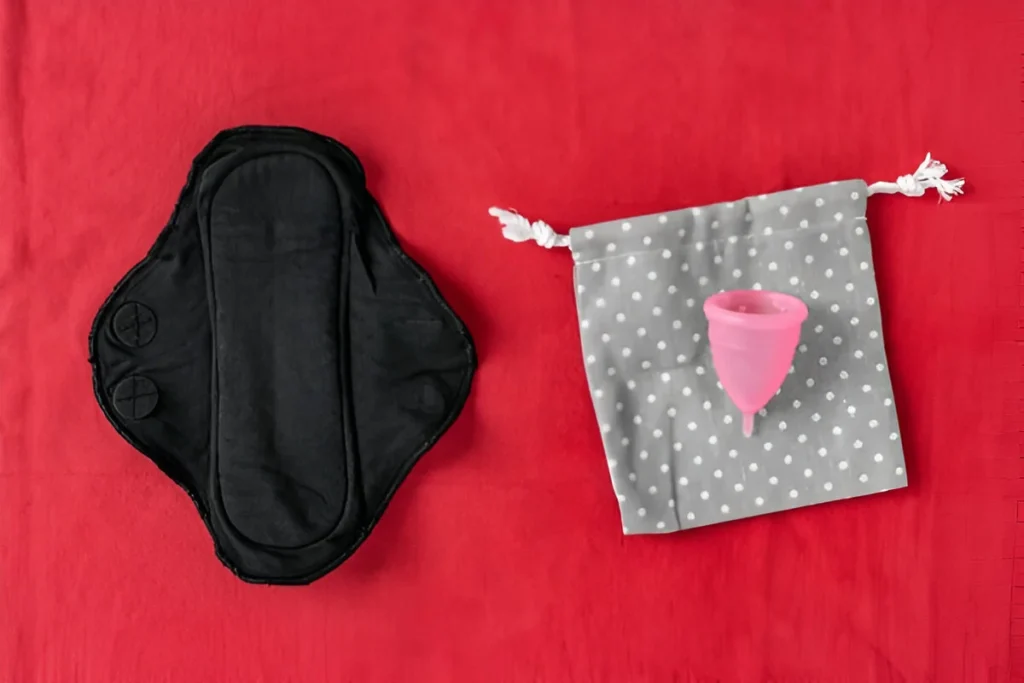
Reusable cloth pads are washable alternatives to disposable sanitary pads.
These look like regular underwear but have built-in absorbent layers.
For those who prefer disposables, organic cotton pads and tampons are a better alternative.
Made with plant-based materials, these pads decompose faster than regular plastic-based ones.
Every woman’s body and lifestyle are unique. When deciding, consider:
Yes, if cleaned and used properly, they are as safe as disposables—sometimes safer, since they avoid harmful chemicals.
Absolutely. Many women report fewer leaks with menstrual cups and period underwear compared to traditional products.
Yes, younger users can also use menstrual cups or cloth pads, though guidance may be helpful during the transition.

Q1. Do menstrual cups hurt during use?
They may feel uncomfortable initially, but with the right size and practice, most users find them painless.
Q2. How often should cloth pads be replaced?
With good care, they can last for 3–5 years.
Q3. Can period underwear be worn for sports or exercise?
Yes, they are designed for flexibility and leak protection during activity.
Q4. Are sustainable period products affordable?
Although the upfront cost is higher, long-term savings are significant compared to monthly disposable purchases.
Q5. Can biodegradable pads really decompose quickly?
Yes, they break down much faster than plastic-based pads, depending on disposal conditions.
Exploring sustainable options for periods is not just about personal comfort, but also about responsibility toward the environment and future generations. Making the switch helps create a healthier planet, reduces unnecessary waste, and allows women to take charge of their menstrual health with confidence. Guidance from experienced specialists, such as the best lady gynecologist in Kolkata, can provide personalized advice for women who are considering the shift.