-
UNITED HEALTH CENTRE 2,ELLIOT ROAD, KOLKATA - 700016
UNITED HEALTH CENTRE 2,ELLIOT ROAD, KOLKATA - 700016
Hello Reader!
Welcome to the blog page of Dr. Saima Javed, one of the best lady gynecologist in Kolkata.
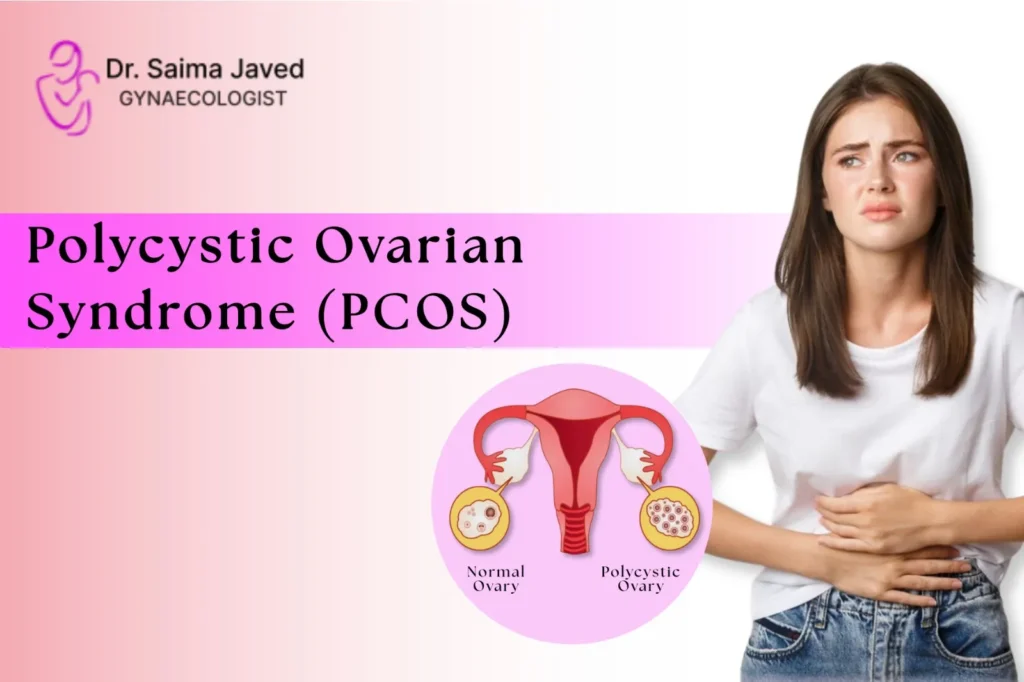
Polycystic Ovarian Syndrome (PCOS) is one of the most common hormonal disorders affecting women of reproductive age. It can influence menstrual cycles, fertility, weight, skin health, and long-term metabolic wellbeing. With timely diagnosis, lifestyle changes, and individualized medical care, PCOS can be effectively managed. As the best lady gynecologist in Kolkata, I often emphasize that understanding the condition is the first step toward taking control of it.

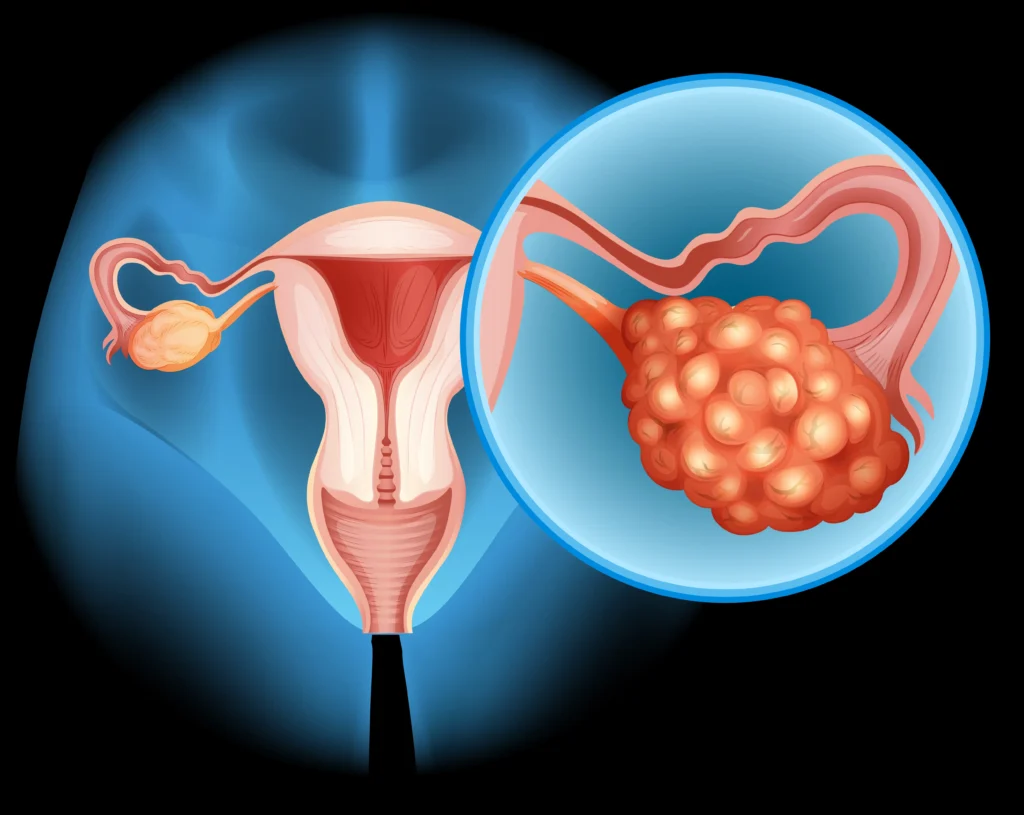
Polycystic Ovarian Syndrome is a hormonal imbalance characterized by irregular ovulation, excess androgen (male hormone) levels, and multiple small follicles in the ovaries. Not every woman with PCOS has cysts, and symptoms can vary widely from person to person.
Women with Polycystic Ovarian Syndrome may experience:
Early recognition of these signs and consulting the best lady gynecologist in Kolkata can prevent complications later in life.
The exact cause of Polycystic Ovarian Syndrome is not fully understood, but several factors contribute:
Diagnosis of Polycystic Ovarian Syndrome involves:
A personalized evaluation by the best lady gynecologist in Kolkata ensures accurate diagnosis and tailored treatment.
Lifestyle changes are the most effective long-term strategy for managing Polycystic Ovarian Syndrome:
Treatment for Polycystic Ovarian Syndrome depends on symptoms and reproductive goals:
Consulting the best lady gynecologist in Kolkata ensures medications are chosen safely and effectively.
Many women with Polycystic Ovarian Syndrome conceive naturally or with minimal medical support. Timely intervention, ovulation induction, and lifestyle optimization significantly improve fertility outcomes.
Untreated Polycystic Ovarian Syndrome can increase the risk of:
Regular follow-ups with the best lady gynecologist in Kolkata help monitor and prevent these complications.
PCOS is a chronic condition, but it does not define you. With the right guidance, self-care, and medical support, women with Polycystic Ovarian Syndrome can lead healthy, fulfilling lives. Awareness, patience, and consistency are key.
Also Read: Thyroidism: What to Know About Common Thyroid Disorders?
Natural home remedies can help manage PCOS symptoms like irregular periods, insulin resistance, and hormonal imbalances alongside medical advice. Consulting experts like Dr. Saima Javed, the best lady gynecologist in Kolkata, ensures these are safe for your case of Polycystic Ovarian Syndrome.
Focus on a low-glycemic index diet to stabilize blood sugar in Polycystic Ovarian Syndrome. Include spearmint tea daily to potentially reduce excess androgens and hirsutism; studies suggest 2 cups may lower testosterone levels. Add cinnamon to meals or tea, as it improves insulin sensitivity and may regulate cycles for better Polycystic Ovarian Syndrome symptom control.
Inositol (myo-inositol) supplements, around 2-4 grams daily, enhance insulin response and ovulation in Polycystic Ovarian Syndrome. Chasteberry (Vitex) balances progesterone and estrogen; take 400mg daily after consulting a doctor like the best lady gynecologist in Kolkata. Turmeric with curcumin (500mg twice daily) fights inflammation and aids insulin resistance common in Polycystic Ovarian Syndrome.
| Remedy | Symptom Targeted | Suggested Use |
| Cinnamon | Insulin resistance | 1-2g powder daily |
| Spearmint Tea | Hirsutism, androgens | 2 cups/day |
| Inositol | Ovulation, metabolism | 2-4g supplement |
| Fenugreek | Periods, cholesterol | Seeds in meals |
Practice yoga or meditation 20-30 minutes daily to lower stress and cortisol, which worsen Polycystic Ovarian Syndrome. Aim for 7-9 hours of sleep; poor rest disrupts hormones—establish a routine. Drink green tea (2-3 cups) for its antioxidants that support weight management in Polycystic Ovarian Syndrome.
Engage in 30 minutes of moderate exercise like walking or strength training 5 days weekly to boost metabolism and reduce Polycystic Ovarian Syndrome symptoms. Weight loss of 5-10% via consistent activity dramatically improves insulin sensitivity. As the best lady gynecologist in Kolkata, Dr. Saima Javed recommends combining this with diet for optimal Polycystic Ovarian Syndrome management.

Gynecologists in Kolkata recommend low-GI, anti-inflammatory Indian diets for PCOS to manage insulin resistance, aid weight loss, and balance hormones. Plans emphasize whole grains, lean proteins, veggies, and portion control, as tailored by local experts like Dr. Saima Javed, the best lady gynecologist in Kolkata.
Prioritize high-fiber foods like millets, leafy greens, and legumes to stabilize blood sugar in PCOS. Limit refined carbs, sugars, and fried items; aim for 1,200-1,500 calories daily with balanced macros. Hydrate with herbal teas and include probiotics via curd or idli for gut health.
Steer clear of white rice/maida, sugary drinks, processed snacks, and excessive dairy if acne-prone. Reduce red meat and high-GI fruits like mangoes.

PCOS disrupts ovulation due to hormonal imbalances, insulin resistance, and high androgens, making it a leading cause of infertility in women of reproductive age. Up to 70-80% of women with PCOS experience anovulation, hindering conception, though many achieve pregnancy with targeted treatments.
Irregular or absent periods from Polycystic Ovarian Syndrome prevent regular ovulation, directly impairing egg release for fertilization. Excess androgens impair egg quality, while insulin resistance exacerbates ovarian dysfunction; obesity worsens outcomes but isn’t universal. In Kolkata, experts like Dr. Saima Javed, the best lady gynecologist in Kolkata, note higher miscarriage and pregnancy complication risks, such as gestational diabetes.
Lifestyle changes—weight loss of 5-10%, balanced diet, and exercise—restore ovulation in 50% of cases by improving insulin sensitivity. Letrozole (first-choice ovulation inducer) outperforms clomiphene, achieving higher live birth rates with fewer side effects. Metformin aids insulin-resistant PCOS patients, often combined with letrozole or clomiphene.
Gonadotropins (injectable FSH) stimulate follicle growth for resistant cases, monitored to avoid ovarian hyperstimulation syndrome (OHSS). Laparoscopic ovarian drilling offers surgical ovulation restoration without hormones. IVF succeeds for persistent infertility, using GnRH antagonists to minimize OHSS risks in Polycystic Ovarian Syndrome.
| Treatment | Success Rate (Ovulation/Live Birth) | Best For |
| Letrozole | 60-80% / 20-30% | First-line |
| Clomiphene | 50-70% / 15-20% | Oral induction |
| Gonadotropins | 70-90% / 20-30% | Resistant cases |
| IVF | Varies / 40-50% per cycle | Severe infertility |
Consult the best lady gynecologist in Kolkata like Dr. Saima Javed early for personalized Polycystic Ovarian Syndrome fertility plans.
Exercises like aerobic, strength training, and yoga effectively manage PCOS symptoms by improving insulin sensitivity, aiding weight loss, and balancing hormones. Consistency matters more than intensity; aim for 150 minutes weekly, as recommended by experts including Dr. Saima Javed, the best lady gynecologist in Kolkata.
Steady-state activities such as brisk walking, cycling, swimming, or dancing (30-45 minutes, 5 days/week) boost metabolism and reduce insulin resistance in Polycystic Ovarian Syndrome. HIIT (high-intensity interval training) like burpees or sprints (20-30 minutes, 2-3 times/week), enhances fat loss and enjoyment for better adherence.
Resistance exercises build muscle to combat Polycystic Ovarian Syndrome-related weight gain: squats, lunges, push-ups, planks (3 sets of 10-15 reps, 3 days/week). Weight lifting or bodyweight circuits improve body composition and hormone regulation.
Yoga and Pilates (20-30 minutes daily) lower stress and cortisol, easing irregular periods and mood swings in Polycystic Ovarian Syndrome. Poses like child’s pose, warrior, and bridge target core strength and relaxation.
| Exercise Type | Benefits for PCOS | Frequency/Duration |
| Cardio (Walking/Cycling) | Insulin sensitivity, weight loss | 30 min, 5x/week |
| HIIT | Fat burn, ovulation support | 20 min, 2-3x/week |
| Strength (Squats/Planks) | Muscle gain, metabolism boost | 3 sets, 3x/week |
| Yoga | Stress reduction, hormone balance | 20-30 min daily |
Start slow to avoid injury; combine with diet for optimal Polycystic Ovarian Syndrome results. Consult the best lady gynecologist in Kolkata like Dr. Saima Javed, for tailored plans.

Untreated PCOS significantly raises long-term health risks due to hormonal imbalances, insulin resistance, and inflammation. Women face up to 7-fold higher odds of type 2 diabetes and elevated cardiovascular threats, as seen in studies tracking cases over decades.
Insulin resistance in Polycystic Ovarian Syndrome affects 50-70% of women, leading to impaired glucose tolerance by age 30 and annual type 2 diabetes progression rates of 8% without intervention. Obesity amplifies this; even normal-weight cases show pancreatic beta-cell dysfunction.
PCOS triples coronary artery disease likelihood via dyslipidemia (high LDL/triglycerides, low HDL), hypertension (1.5-2x risk), and endothelial damage. Untreated cases heighten heart attack, stroke, atrial fibrillation, and metabolic syndrome odds by 1.5-3x.
Chronic anovulation from Polycystic Ovarian Syndrome increases endometrial cancer risk from unopposed estrogen; emerging links exist to breast/ovarian cancers. Additional threats include sleep apnea, NAFLD, and mental health issues like depression.
| Risk Factor | Increased Odds | Key Driver |
| Type 2 Diabetes | 2-7x | Insulin resistance |
| Heart Attack/Stroke | 1.5-3x | Dyslipidemia, hypertension |
| Metabolic Syndrome | 3x | Inflammation, obesity |
| Endometrial Cancer | Elevated | Anovulation |
Early management with experts like Dr. Saima Javed, the best lady gynecologist in Kolkata, mitigates these via lifestyle and monitoring. Regular screenings for glucose, lipids, and blood pressure are essential.
Polycystic Ovarian Syndrome is a common hormonal disorder in women that affects ovulation, menstrual cycles, and hormone levels, often leading to irregular periods and other symptoms.
PCOS cannot be cured permanently, but it can be effectively managed with the right combination of lifestyle changes, medical treatment, and regular follow-ups.
Healthy eating, regular exercise, weight control, stress management, and proper sleep help balance hormones and reduce symptoms of Polycystic Ovarian Syndrome.
Yes, PCOS can affect fertility due to irregular ovulation, but many women conceive successfully with proper treatment and medical guidance.
You should consult a gynecologist if you have irregular periods, difficulty conceiving, excessive hair growth, acne, or unexplained weight gain linked to Polycystic Ovarian Syndrome.
If you are experiencing symptoms of Polycystic Ovarian Syndrome, do not ignore them. Early diagnosis and a comprehensive management plan can make a world of difference. Consult Dr. Saima Javed, recognized as the best lady gynecologist in Kolkata, for compassionate care, expert guidance, and personalized treatment to help you manage PCOS confidently and effectively.