Why PCOS leads to hair loss and weight gain

Home / Blog / Why PCOS leads to hair loss and weight gain

Why PCOS leads to hair loss and weight gain

By Admin

|     25.03.2024

Understand why PCOS leads to hair loss and weight gain and how insights from the best lady gynecologist in Kolkata help women manage symptoms naturally.

Understanding PCOS and Its Impact on Women

Polycystic Ovary Syndrome (PCOS) is one of the most common hormonal conditions affecting women today. It is not just about irregular periods—it influences metabolism, fertility, skin health, and even mental well-being. Among its many symptoms, two that often cause distress are hair loss and weight gain. These visible changes can impact confidence and quality of life, making it important to understand the root causes.

hair loss and weight gain

Why PCOS Leads to Hair Loss and Weight Gain

Hormonal imbalances lie at the center of PCOS. Elevated levels of androgens (male hormones) and insulin resistance are the key players. These disrupt the body’s natural balance, leading to changes that affect hair and weight management.

The Hormonal Connection Explained

When PCOS disrupts hormones, the effects become visible in daily life. Here’s how:

  • Excess androgens – Higher levels of testosterone shrink hair follicles, leading to thinning hair or bald patches.
  • Insulin resistance – When cells resist insulin, the body produces more, encouraging fat storage, particularly around the abdomen.
  • Estrogen-progesterone imbalance – This affects menstrual cycles and indirectly contributes to mood swings and weight changes.

How PCOS Triggers Hair Loss

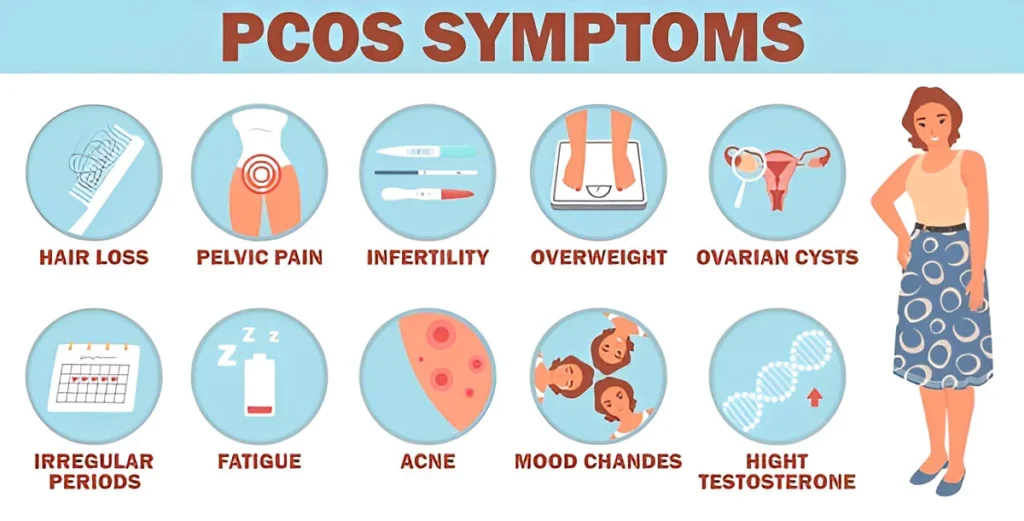
Hair loss due to PCOS is not the same as normal shedding. It often appears as:

  • Thinning at the crown of the head
  • Widening hair part
  • Slower hair regrowth
  • Increased shedding during brushing

This happens because excessive androgens miniaturize hair follicles, reducing their ability to grow healthy strands.

How PCOS Contributes to Weight Gain

Weight gain with PCOS is more than just “eating habits.” It is tied to:

  • Slowed metabolism – Insulin resistance makes it harder to burn calories efficiently.
  • Hormonal cravings – Hormonal shifts trigger sugar cravings and frequent hunger.
  • Fat distribution – Weight tends to collect around the midsection, increasing health risks.

Why Managing Weight in PCOS Is Challenging

Many women notice that traditional diets and exercise plans don’t work as effectively. That’s because:
  • The body struggles with insulin sensitivity.
  • Stress hormones further disrupt weight loss efforts.
  • Sleep disturbances common in PCOS affect appetite hormones.
hair loss and weight gain

Practical Tips to Manage PCOS Symptoms

Small lifestyle changes can make a big difference.

  • Balanced diet – Focus on whole grains, lean protein, vegetables, and low-glycemic foods.
  • Regular exercise – Include strength training and cardio to improve insulin sensitivity.
  • Stress management – Yoga, meditation, and mindfulness reduce cortisol, helping balance hormones.
  • Adequate sleep – 7–8 hours of quality sleep helps regulate appetite and hormones.
  • Medical guidance – Regular consultations ensure treatment plans are tailored to individual needs.

Coping with Hair Loss in PCOS

Hair care requires a mix of medical and natural strategies:

  • Use gentle shampoos and avoid harsh chemicals.
  • Include zinc, iron, and biotin-rich foods in the diet.
  • Seek professional advice for targeted treatments like minoxidil or laser therapy.
  • Consider stress-reducing activities, as stress worsens shedding.

Coping with Weight Gain in PCOS

Weight management with PCOS is not impossible—it just requires persistence:

  • Track meals to identify triggers.
  • Stick to portion control instead of extreme dieting.
  • Stay active daily, even with short walks.
  • Consult experts to rule out thyroid or other related conditions.

Long-Term Health Concerns of PCOS

If unmanaged, PCOS-related weight gain and hair loss may lead to broader health challenges:

  • Type 2 diabetes
  • Heart disease
  • Infertility
  • Depression and anxiety
  • Sleep apnea

This highlights why awareness and early care are essential.

hair loss and weight gain

FAQs on PCOS, Hair Loss, and Weight Gain

Q1. Is hair loss from PCOS reversible?
It can be managed with treatment, though regrowth varies from person to person.

Q2. Why is weight loss so hard with PCOS?
Insulin resistance slows metabolism and increases fat storage, making weight loss more challenging.

Q3. Can lifestyle changes alone manage PCOS?
For many women, diet and exercise help, but medical support may also be needed.

Q4. Does every woman with PCOS face hair loss and weight gain?
Not necessarily. Symptoms vary widely, and some may experience only a few.

Q5. What is the first step after noticing these symptoms?
Consulting a gynecologist is crucial for proper diagnosis and tailored care.

A Final Word on Managing PCOS Symptoms

PCOS leads to hair loss and weight gain, but it doesn’t have to define a woman’s health journey. With awareness, consistent care, and lifestyle adjustments, these symptoms can be managed effectively. Taking proactive steps ensures not only better physical health but also stronger emotional well-being.

Need to see a gynaecologist?

We’ve made it simple for you to schedule an appointment right
away via Whatsapp.

Share This Article

Recent Post