-
UNITED HEALTH CENTRE 2,ELLIOT ROAD, KOLKATA - 700016
UNITED HEALTH CENTRE 2,ELLIOT ROAD, KOLKATA - 700016

Learn how to manage menopause mood swings with expert-backed tips from a reputed gynecologist. Discover natural remedies, lifestyle changes, and emotional balance strategies for a smoother transition.
Menopause is a natural phase in every woman’s life — a transition marking the end of reproductive years. While it’s completely normal, the hormonal changes that accompany menopause can trigger several physical and emotional symptoms. Among them, mood swings are one of the most common yet challenging to deal with.
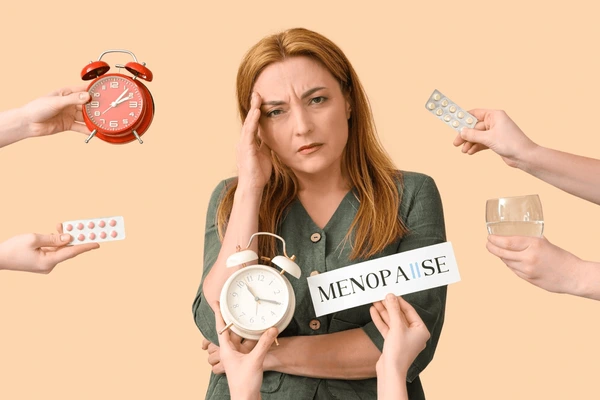
Women often describe feeling emotionally unstable — happy one moment, irritated or tearful the next. These fluctuations can affect relationships, self-esteem, and even daily routines. But the good news is, with the right approach, it’s absolutely possible to regain emotional balance and feel more like yourself again.
Before learning how to manage menopause mood swings, it’s essential to understand why they happen.
Hormones play a major role in regulating mood and emotional stability. During menopause, estrogen and progesterone levels fluctuate unpredictably. This hormonal imbalance impacts brain chemicals like serotonin and dopamine, which are responsible for maintaining mood and energy.
Some of the most common causes of mood changes during this stage include:
These triggers can create a cycle of stress and irritability if not managed properly.
Mood swings during menopause may appear subtle at first but can become more noticeable over time. You might:
Recognizing these signs early helps you take proactive steps to manage menopause mood swings before they affect your overall wellbeing.
There’s no one-size-fits-all approach to emotional wellness during menopause. However, a combination of medical guidance, healthy habits, and emotional support can make a remarkable difference.
Let’s explore evidence-backed ways to help you navigate this transition more smoothly.
A nutritious diet supports hormonal balance and stabilizes mood. Aim for foods that nourish both body and mind:
Maintaining hydration also plays a key role in regulating body temperature and energy levels.
Exercise is a natural antidepressant. It boosts serotonin and endorphins — the “feel-good” hormones — and reduces stress.
Choose activities that you enjoy and can maintain long term, such as:
Regular movement not only uplifts mood but also helps manage weight and sleep quality.
Stress can magnify emotional instability. Integrating mindfulness practices into your daily routine helps regulate emotional responses. Try:
Even 10 minutes of mindfulness each day can help you feel more centered and in control.
Sleep disturbances are a major contributor to irritability and anxiety during menopause. To promote better rest:
If insomnia persists, consider consulting a healthcare expert for personalized advice.
Emotional ups and downs can feel isolating, but you’re not alone. Sharing your experiences can ease the burden.
Open communication fosters understanding and emotional healing.
Sometimes, lifestyle changes may not be enough to manage menopause mood swings effectively. This is where professional medical guidance becomes essential.
An experienced gynecologist can recommend:
Consulting the best lady gynecologist in Kolkata can help tailor a personalized approach that aligns with your body’s unique needs, ensuring long-term wellbeing.
Some women find relief through complementary therapies alongside medical care. These may include:
Always discuss these remedies with a qualified professional before use to ensure safety.
Small daily actions can create big shifts in emotional resilience.
While mood changes are common during menopause, there are times when professional evaluation is necessary, such as:
These could indicate underlying depression or hormonal imbalance that needs specialized care.

1. Can menopause mood swings go away on their own?
Yes, for many women, mood swings reduce over time as hormone levels stabilize. However, professional support and lifestyle changes can speed up recovery.
2. Is hormone therapy safe for mood management?
Hormone therapy can be effective when monitored by a specialist. It’s essential to discuss risks and benefits with your gynecologist before starting.
3. How long do menopause mood swings last?
Mood swings may last for a few months to several years, depending on your body and overall health. Regular check-ups help track progress.
4. Can diet really help with mood changes?
Absolutely. A diet rich in nutrients and omega-3s supports brain health and stabilizes mood naturally.
5. Should I take antidepressants for menopause mood swings?
Only under medical supervision. A gynecologist may recommend mild medication if lifestyle interventions are insufficient.
Menopause isn’t an ending — it’s a transformation. With the right mindset, support, and medical guidance, this phase can be one of renewal and empowerment.
If emotional fluctuations feel overwhelming, remember that professional care and understanding your body’s needs make all the difference. Trusted women’s health specialists like Dr. Saima Javed provide compassionate, evidence-based care that empowers women to navigate menopause with confidence and grace.
Through awareness, self-care, and medical insight, every woman can embrace this stage of life with strength, balance, and optimism.