-
UNITED HEALTH CENTRE 2,ELLIOT ROAD, KOLKATA - 700016
UNITED HEALTH CENTRE 2,ELLIOT ROAD, KOLKATA - 700016
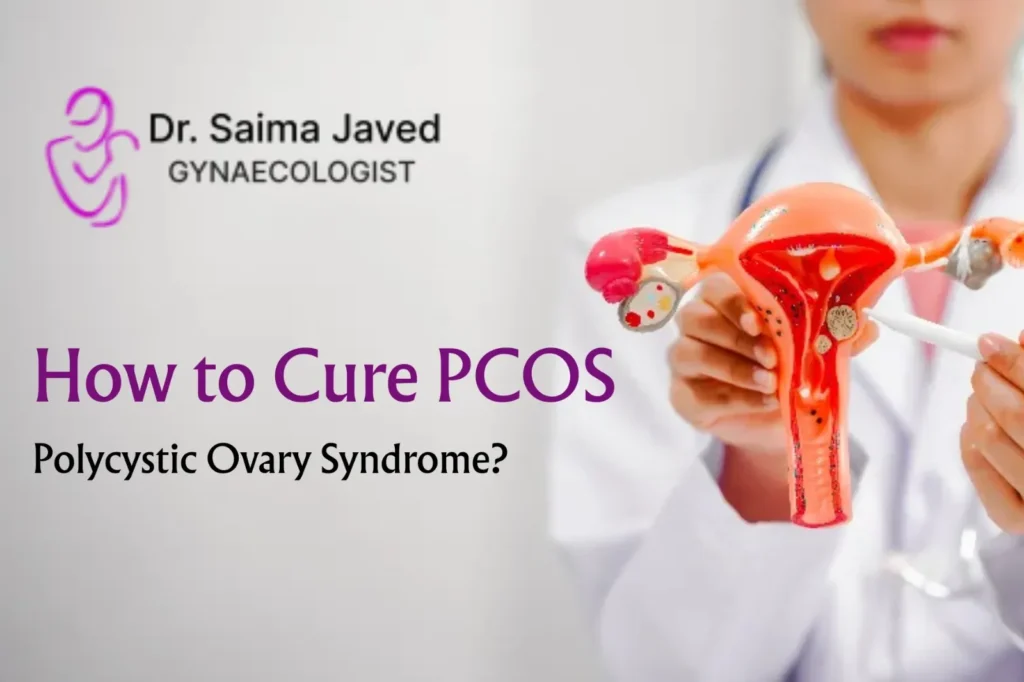
Hello Reader!
Welcome to the blog page of Dr. Saima Javed, one of the best lady gynecologist in Kolkata.
Polycystic Ovary Syndrome (PCOS) is a common yet often misunderstood hormonal condition that affects millions of women worldwide. Many patients frequently ask—How to cure PCOS? The answer lies in understanding the condition deeply and managing it with the right medical and lifestyle approach.
As an experienced specialist, Dr. Saima Javed, known as the best lady gynecologist in Kolkata, emphasizes that while PCOS may not always have a permanent cure, it can be effectively managed with proper care and guidance.

PCOS (Polycystic Ovary Syndrome) is a hormonal imbalance where the ovaries produce higher-than-normal levels of androgens (male hormones). This imbalance affects ovulation and leads to multiple small cysts in the ovaries.
Recognizing these symptoms early is crucial when addressing the question: How to cure PCOS effectively?
The exact cause of PCOS is not fully understood, but several factors contribute:
High insulin levels can increase androgen production, worsening symptoms.
An imbalance between estrogen, progesterone, and androgens disrupts ovulation.
PCOS often runs in families.
Chronic low-grade inflammation may trigger ovarian dysfunction.
Consulting the best lady gynecologist in Kolkata helps identify the underlying cause and personalize treatment.
A very important question is: How to cure PCOS permanently?
PCOS is generally considered a long-term condition, meaning it may not have a one-time permanent cure. However, with the right approach, symptoms can be controlled, reduced, and even reversed to a large extent.
So, when we talk about how to cure PCOS, it actually means how to manage and control it effectively.

Lifestyle modification is the most powerful answer to How to cure PCOS naturally.
Even a 5–10% reduction in body weight can significantly improve hormonal balance.
A well-balanced diet plays a major role in managing PCOS.
A customized diet plan from the best lady gynecologist in Kolkata can accelerate recovery.
Depending on symptoms, medications may be prescribed:
Always consult the best lady gynecologist in Kolkata before starting any medication.
PCOS can affect emotional well-being, leading to anxiety, mood swings, and depression.
A holistic approach is essential when addressing how to cure PCOS completely.
Routine monitoring ensures:
Regular visits to the best lady gynecologist in Kolkata ensure better long-term outcomes.
As Dr. Saima Javed, the best lady gynecologist in Kolkata, I frequently recommend specific supplements and herbs as part of a holistic approach to how to cure PCOS, complementing diet and lifestyle changes discussed earlier. These natural aids target insulin resistance, hormonal imbalances, inflammation, and androgen excess—key PCOS drivers. Always consult a specialist like myself before starting, as dosages vary by individual needs, and interactions with medications must be monitored.
Supplements can mimic or enhance pharmaceutical effects, often with fewer side effects. Here’s what I commonly prescribe:
– Benefits: Improves insulin sensitivity, promotes ovulation, and reduces androgens—often as effective as metformin for restoring regular cycles.
– Dosage: 2-4g daily of myo-inositol; a 40:1 ratio with D-chiro-inositol is ideal.
– Why it works for Kolkata patients: Addresses common vitamin D and insulin issues prevalent here. Many see symptom relief in 3-6 months.
– Benefits: Corrects widespread deficiencies linked to PCOS, boosting mood, fertility, and insulin function.
– Dosage: 2,000-4,000 IU daily, based on blood tests.
– Pro Tip: Indoor lifestyles in Kolkata amplify deficiencies—pair with sunlight exposure.
– Benefits: Lowers inflammation, triglycerides, and testosterone; supports heart health against PCOS risks.
– Dosage: 1-2g EPA/DHA daily from high-quality sources.
– Benefits: Plant compound rivaling metformin for blood sugar control, weight loss, and ovulation induction.
– Dosage: 500mg, 2-3 times daily with meals. Ideal for insulin-resistant cases I treat.
– Benefits: Antioxidant that enhances insulin sensitivity, reduces oxidative stress, and improves fertility.
– Dosage: 600-1,800mg daily.
Herbs offer traditional support backed by modern studies—perfect adjuncts in how to cure PCOS:
– Benefits: Reduces free testosterone and hirsutism; drink 2 cups daily for anti-androgen effects.
– Benefits: Stabilizes blood sugar and regulates periods; add to meals or tea (1-2g daily).
– Benefits: Lowers testosterone when combined with peony; aids adrenal function. Use cautiously if hypertensive.
– Benefits: Balances estrogen/progesterone, reduces androgens; effective in fertility blends.
– Benefits: Normalizes prolactin and LH/FSH ratio for better cycles; 400mg daily.
– Benefits: Anti-inflammatory powerhouse; enhances insulin sensitivity with black pepper for absorption.
Other notables: Fenugreek for blood sugar, saw palmetto for hair growth, and green tea for metabolism.
For tailored regimens integrating these with your diet (e.g., low-GI Kolkata meals), book with me, Dr. Saima Javed, the best lady gynecologist in Kolkata. Empower your how-to-cure-PCOS journey naturally!
Also Read: How Does Age Affect Fertility?

PCOS can interfere with ovulation, making conception difficult. However, with the right treatment and guidance, many women successfully conceive.
If you are planning a pregnancy, early consultation with the best lady gynecologist in Kolkata can improve your chances significantly.
Seek medical advice if you notice:
Early diagnosis plays a key role in understanding How to cure PCOS effectively.

As Dr. Saima Javed, the best lady gynecologist in Kolkata, I often guide patients on how to cure PCOS through targeted nutrition, building on the comprehensive strategies in my previous blog. Diet is pivotal for PCOS management, primarily by tackling insulin resistance—a core issue driving symptoms like irregular periods, weight gain, acne, and infertility. While there’s no one-size-fits-all “cure,” strategic diet changes can significantly alleviate symptoms, restore hormonal balance, and improve fertility outcomes for many women in Kolkata seeking how to cure PCOS.
Focus on low-glycemic index (GI) foods to prevent blood sugar spikes, which exacerbate insulin resistance. Emphasize whole, anti-inflammatory foods while minimizing processed items. Aim for balanced plates: half non-starchy vegetables, a quarter lean protein, and a quarter high-fiber carbs, plus healthy fats. Smaller, frequent meals (every 3-4 hours) stabilize energy and curb cravings. Hydration is key—drink 2-3 liters of water daily, perhaps infused with cucumber or lemon for Kolkata’s humid climate.
Incorporate these nutrient-dense options to reduce androgens, inflammation, and insulin levels:
Sample Kolkata-Inspired Meal: Start with oats khichdi using brown rice and moong dal, topped with spinach sabzi and a side of grilled fish. Anti-inflammatory spices like turmeric and cinnamon enhance benefits.
Steer clear of these to prevent symptom flares:
For personalized plans integrating these with meds or fertility support, visit me, Dr. Saima Javed, the best lady gynecologist in Kolkata. Mastering how to cure PCOS starts on your plate—let’s reclaim your health together!

As Dr. Saima Javed, the best lady gynecologist in Kolkata, I always emphasize safety when integrating herbs like turmeric and cinnamon into how to cure PCOS plans. These are generally well-tolerated in moderation as part of a holistic PCOS management strategy alongside diet and supplements discussed previously. However, high doses or individual sensitivities can lead to side effects. Below, I outline the most common ones based on clinical insights, advising consultation before use—especially for Kolkata patients with potential interactions from local diets or medications.
Turmeric is prized for its anti-inflammatory and insulin-sensitizing properties in PCOS, but potential issues include:
Safe dosing for PCOS: 500-2,000mg curcumin daily with meals. Studies show benefits without major adverse effects in most women.
Cinnamon aids blood sugar control and menstrual regularity in PCOS, but watch for:
Safe dosing for PCOS: 1-3g daily (e.g., in tea or food). Clinical trials report symptom relief with minimal side effects.
For safe, personalized herbal protocols tailored to your health profile, consult me, Dr. Saima Javed, the best lady gynecologist in Kolkata. Prioritize evidence-based use to avoid pitfalls while harnessing benefits!

PCOS cannot always be permanently cured, but it can be effectively managed with lifestyle changes, medication, and regular medical care.
Maintaining a healthy weight, eating a balanced diet, exercising regularly, and managing stress are the most effective natural ways to control PCOS symptoms.
Women with PCOS should avoid processed foods, sugary drinks, refined carbohydrates, and excess junk food, as these can worsen insulin resistance and hormonal imbalance.
Yes, PCOS can affect ovulation and make it harder to conceive. However, with proper treatment and guidance, many women with PCOS can achieve a healthy pregnancy.
You should consult a gynecologist if you have irregular periods, excessive hair growth, acne, weight gain, or difficulty in getting pregnant.
If you are searching for How to cure PCOS, remember that while it may not have a permanent cure, it is highly manageable with the right combination of lifestyle changes, medical treatment, and expert guidance.
Under the care of Dr. Saima Javed, widely regarded as the best lady gynecologist in Kolkata, you can take control of PCOS and lead a healthy, fulfilling life.