-
UNITED HEALTH CENTRE 2,ELLIOT ROAD, KOLKATA - 700016
UNITED HEALTH CENTRE 2,ELLIOT ROAD, KOLKATA - 700016
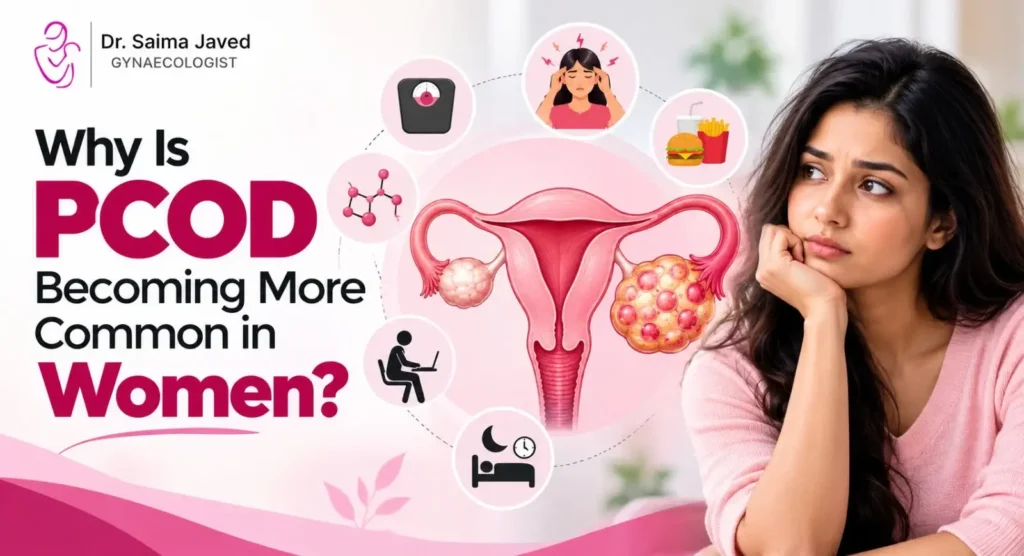
PCOD is becoming more common among women, especially younger women, due to a mix of hormonal imbalance, lifestyle changes, stress, sleep disruption, and metabolic factors. What are the main reasons for increasing PCOD cases? Understanding these causes can encourage earlier diagnosis, healthier habits, and timely care from a qualified gynecologist.
Several factors may contribute to the growing number of women experiencing PCOD symptoms. What Factors Are Behind the Rise of PCOD in Women? Hormonal imbalance, insulin resistance, sedentary habits, chronic stress, poor sleep, weight changes, and genetic susceptibility can all influence reproductive and metabolic health.
PCOD can affect women during adolescence and throughout the reproductive years. Modern lifestyle patterns may contribute to symptoms becoming more noticeable or frequently diagnosed.
Common contributing factors include:
However, PCOD is influenced by multiple factors rather than having one specific cause. Each woman’s symptoms and underlying risk factors can differ.
Polycystic ovarian disease (PCOD) is a hormonal and metabolic condition that may disrupt ovulation and menstrual cycles. It can cause irregular periods, acne, excessive facial or body hair, and weight changes.
PPCOD and PCOS are often used interchangeably in everyday discussions, although they may refer to different clinical concepts. A gynecologist should assess symptoms and test results before making a diagnosis.
The apparent increase in PCOD may reflect several overlapping factors. Greater awareness and improved access to healthcare also mean more women now seek evaluation for symptoms that may previously have gone unnoticed.
1. Lifestyle Changes
LExtended periods of sitting, low physical activity, irregular eating habits, and frequent consumption of processed foods may negatively affect metabolic health. Over time, these patterns may contribute to insulin resistance and hormonal disturbances in susceptible women.
2. Chronic Stress
Persistent stress can influence sleep, appetite, and hormonal regulation. Although stress alone does not cause PCOD, ongoing stress may aggravate symptoms or make healthy routines harder to maintain.
3. Poor Sleep
Poor or inadequate sleep may influence both hormonal balance and metabolic health. . Young women balancing education, work, social commitments, and screen use may develop inconsistent sleep schedules.
4. Insulin Resistance
Insulin resistance can occur in some women with PCOD. When cells become less sensitive to insulin, the pancreas may compensate by releasing higher amounts of insulin. Higher insulin levels can contribute to hormonal changes and ovulatory problems.
5. Genetic Susceptibility
PCOD can run in families. Women with a close relative who has PCOD or related metabolic or reproductive problems may have a higher risk.
6. Weight Changes
Weight gain can worsen insulin resistance and hormonal symptoms in some women. However, PCOD may also affect women who have a healthy or normal body weight.. Therefore, body weight alone cannot determine whether someone has the condition.
| Possible Factor | How It May Affect PCOD Risk or Symptoms |
| Physical inactivity | May contribute to poorer metabolic health |
| Poor dietary patterns | Can affect weight and metabolic health |
| Chronic stress | May disrupt sleep, appetite and healthy routines |
| Poor sleep | Can influence metabolic and hormonal regulation |
| Insulin resistance | May contribute to hormonal and ovulatory changes |
| Genetic factors | Can increase individual susceptibility |
| Weight changes | May worsen symptoms in some women |
| Greater awareness | An increasing number of women are seeking medical evaluation and diagnosis. |
PCOD symptoms can vary significantly. Some women may notice only minor changes in their menstrual cycles, while others can experience multiple symptoms.
Common PCOD Symptoms
Not every woman with irregular periods has PCOD. Thyroid disorders, elevated prolactin, certain medications, significant weight changes, and other conditions can also affect menstrual cycles.
Yes, PCOD can affect fertility in some women, particularly when irregular ovulation occurs. However, PCOD does not necessarily prevent a woman from becoming pregnant.
With proper medical evaluation and management, many women with PCOD can improve ovulation and increase their chances of achieving pregnancy..
If you are experiencing irregular periods or fertility concerns, consulting a PCOD treatment doctor in Kolkata can help identify the underlying cause and determine suitable next steps.
Early attention can make PCOD easier to manage. Rather than relying on quick fixes, focus on sustainable habits and appropriate medical guidance.
Helpful PCOD Management Habits
A gynecologist can evaluate menstrual patterns, symptoms, medical history, physical findings, and relevant laboratory or imaging results. Treatment depends on the woman’s goals and symptoms.
For example, management may focus on:
Women searching for the Best Lady Gynecologist should consider a specialist who provides personalized assessment rather than treating every PCOD case in the same way.
You may want to consult a gynecologist if you experience any of the following:
If you are looking for the best gynecologist for PCOD and hormonal problems, timely evaluation can help distinguish PCOD from other conditions with similar symptoms.
There is no guaranteed way to prevent PCOD because genetics and other biological factors contribute to its development. Nevertheless, healthy lifestyle habits can support metabolic and reproductive health.
Regular physical activity, balanced nutrition, sufficient sleep, stress management, and maintaining a healthy weight where appropriate may help reduce certain risk factors and improve symptoms in some women.
It is important not to blame yourself for developing PCOD. The condition involves multiple biological and environmental influences. Check Patient’s testimonial click: https://shorturl.at/XHbA3
Ignoring persistent menstrual or hormonal symptoms can delay diagnosis of PCOD or another underlying condition. Early assessment can clarify the cause and allow an appropriate management plan.
For women seeking a PCOD/PCOS Treatment Doctor in Kolkata, professional guidance can be particularly valuable when symptoms interfere with daily life, fertility goals, or emotional wellbeing.
Women who need specialist evaluation can also book gynecologist appointments for PCOD in Kolkata for an individualized consultation.
PCOD is a complex hormonal condition influenced by genetic, metabolic, and lifestyle factors. Although its symptoms can feel frustrating, early evaluation and consistent care can make a meaningful difference. Women with persistent menstrual or hormonal changes should seek professional guidance rather than self-diagnosing. Consulting an experienced gynecologist such as Dr. Saima Javed can support accurate assessment, personalized treatment, and confident long-term reproductive health decisions. Check our map link: https://maps.app.goo.gl/kw7ji9C2ogH3MGiM8
Why is PCOD increasing among young women?
PCOD may appear more common because of changing lifestyles, reduced physical activity, stress, sleep disruption, metabolic factors, genetic susceptibility, and greater awareness. More women are also seeking medical evaluation for symptoms that may previously have gone undiagnosed.
What are the main reasons for increasing PCOD cases?
The reasons can include genetic susceptibility, insulin resistance, lifestyle changes, physical inactivity, sleep problems, chronic stress, weight changes, and other metabolic or hormonal factors. PCOD does not have one universal cause.
Why is PCOD becoming more common in women?
A combination of lifestyle, metabolic, genetic, and hormonal factors may contribute. Additionally, improved awareness and diagnosis may make PCOD appear more prevalent than in the past.
Can stress cause PCOD?
Stress alone does not necessarily cause PCOD. However, chronic stress can affect sleep, eating patterns, weight, and overall hormonal health, potentially worsening symptoms in susceptible women.
Can PCOD happen in thin women?
Yes. PCOD can affect women across different body sizes. Being overweight is not a requirement for developing PCOD, although excess weight can worsen certain symptoms in some women.
Can PCOD affect pregnancy?
PCOD can interfere with regular ovulation and may make conception more difficult for some women. However, many women with PCOD become pregnant with appropriate lifestyle measures and medical support.
Is PCOD a lifelong condition?
PCOD can be a long-term condition, but symptoms and their severity may change over time. Appropriate lifestyle measures, monitoring, and treatment can help manage symptoms effectively.
Should irregular periods always be treated as PCOD?
No. Irregular periods can have several causes, including thyroid problems, hormonal disorders, stress, significant weight changes, certain medications, and pregnancy. A medical evaluation is important before assuming PCOD.
When should I consult the best gynecologist for PCOD?
Consider seeing a gynecologist when irregular periods, excess hair growth, persistent acne, unexplained weight changes, or fertility difficulties continue. Early assessment can help identify the cause and guide appropriate care.